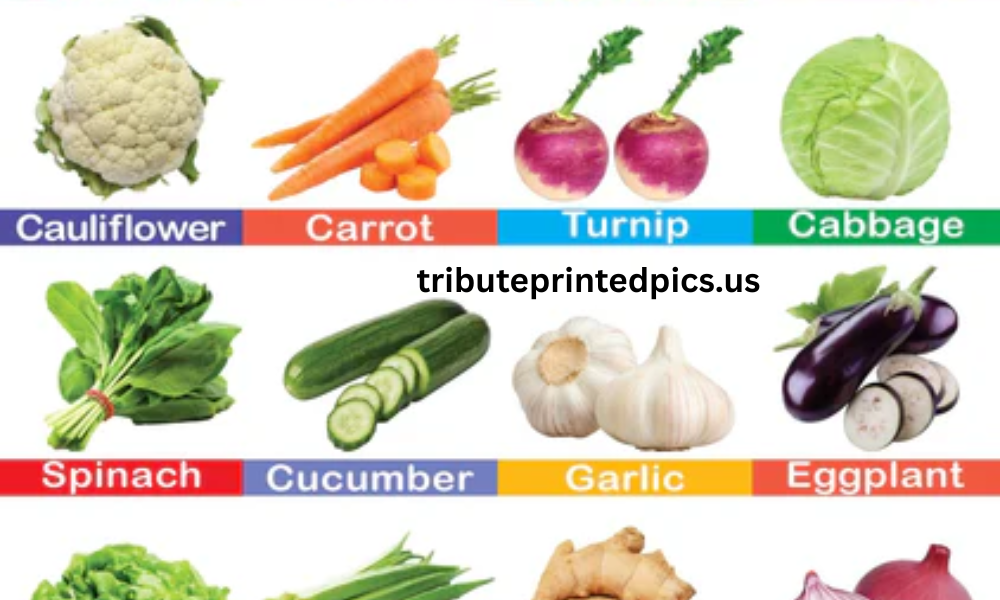

Introduction to Vegg List and Healthy Eating
A vegg list is a practical way to understand which vegetables support daily health, energy, and long-term wellness. People now focus more on healthy vegetables because modern eating habits often lack natural nutrients. Fresh vegetables provide direct support to the body through vitamins, minerals, dietary fiber, and antioxidants that are essential for normal body functions.
A vegetable diet plays an important role in healthy eating because it replaces processed foods with natural foods that are easier to digest. When people follow a plant-based diet, they often notice improved digestion, better energy levels, and more stable body weight. Vegetables also support hydration and help the body maintain internal balance.
Healthy food choices are not complicated when vegetables are included in daily meals. A vegg list helps identify which vegetables can be used regularly without repetition or boredom. It also helps in building a balanced diet that supports immunity, metabolism, and overall body strength.
Quick Bio Table – Vegg List:
| Category | Details |
|---|---|
| Topic | Vegg list of healthy vegetables for daily diet |
| Focus Keyword | vegg list |
| Content Type | Informational SEO article |
| Main Purpose | Guide to healthy vegetables, nutrition, and balanced diet |
| Health Focus | Immunity, digestion, heart health, weight control |
| Diet Type | Plant-based diet, balanced diet, healthy eating lifestyle |
| Key Nutrients Covered | Vitamins (A, C, K), minerals, dietary fiber, antioxidants, phytochemicals |
| Important Vegetable Groups | Leafy greens, cruciferous vegetables, root vegetables, everyday vegetables |
| Examples of Vegetables | Spinach, kale, broccoli, cauliflower, cabbage, carrot, cucumber, beetroot |
| Health Benefits | Improved immunity, better digestion, heart support, detoxification, weight management |
| Special Compounds Mentioned | Glucosinolates, sulfur compounds, beta carotene |
| Diet Style Support | Natural foods, whole foods, vegetable-based nutrition plan |
| Recommended Intake | 3–5 servings of vegetables daily |
| Key Outcome | Better overall wellness, energy balance, and long-term health support |
| FAQ Focus | Usage of vegg list, immunity, leafy greens, weight control, daily vegetable intake |
Importance of Vegetables in Daily Nutrition
Vegetables are one of the most important parts of human nutrition because they contain essential nutrients that the body cannot produce on its own. A balanced diet without vegetables is incomplete because the body requires vitamins and minerals for proper functioning.
Dietary fiber present in vegetables supports digestion and helps maintain gut health. It also regulates bowel movements and reduces digestive discomfort. People who include fresh vegetables regularly often experience better digestive stability compared to those who consume low-fiber diets.
Vegetables also contribute to immunity boosting foods because they provide antioxidants that protect the body from harmful substances. These compounds support long-term health and reduce strain on internal organs. Including vegetables in every meal supports healthy lifestyle habits that improve overall wellness.
Nutrients Found in Vegetables
Vegetables contain a wide range of nutrients that are necessary for daily body functions. Vitamins such as A, C, K, and folate are commonly found in many vegetables. These vitamins support vision, immunity, blood health, and cell repair.
Minerals like potassium, magnesium, and calcium help maintain muscle function and bone strength. Antioxidants present in vegetables protect cells from damage caused by oxidative stress. These nutrients are especially important in preventing lifestyle-related health issues.
Plant nutrients and phytochemicals in vegetables support natural detox processes in the body. These compounds work silently but play a major role in maintaining internal balance. A vegetable-based nutrition plan ensures the body receives a consistent supply of these essential elements.
Leafy Greens and Their Health Value
Leafy greens are an essential part of any vegg list because they are rich in nutrients and easy to include in daily meals. Vegetables like spinach, kale, and arugula are known for their strong nutritional profile and health-supporting properties.
Spinach provides iron, folate, and vitamin K, which support blood health and bone strength. Kale is rich in antioxidants and helps protect the body from oxidative stress. Arugula supports digestion and heart function due to its natural plant compounds.
Leafy green vegetables benefits extend to immunity support and detox functions. They are often included in green leafy diet benefits because they improve overall nutrient absorption and support natural body cleansing processes. Regular consumption of leafy greens helps maintain energy levels and improves daily performance.
Cruciferous Vegetables and Body Protection
Cruciferous vegetables are known for their strong protective properties due to compounds like glucosinolates and sulfur compounds. These vegetables include broccoli, cauliflower, cabbage, and Brussels sprouts, which are commonly used in healthy diets.
Broccoli health benefits include strong immune support and digestive improvement. Cauliflower benefits diet by supporting detox processes and providing fiber. Cabbage nutritional value lies in its vitamin K content and digestive support properties. Brussels sprouts nutrition supports heart health and metabolic balance.
Cruciferous vegetables list plays an important role in anti-cancer vegetables research because these vegetables contain plant compounds that support cell protection. Their regular intake supports long-term health and strengthens natural defense systems in the body.
Vegetables for Immunity and Strength
Immunity depends heavily on nutrition, and vegetables are one of the strongest natural sources of immune support. Vegetables for immunity include those rich in vitamin C, antioxidants, and plant compounds that help the body fight infections.
Bell peppers, spinach, broccoli, and carrots are commonly included in immunity boosting foods. These vegetables help the body respond better to external threats and maintain internal strength. Vitamin C sources in vegetables support white blood cell function, which is essential for immune defense.
Vegetables rich in antioxidants also reduce inflammation and support recovery. A consistent intake of immune system boosting foods helps maintain energy levels and reduces the risk of seasonal illnesses.
Vegetables for Weight and Metabolism Control
Vegetables are widely used in weight management because they are low calorie vegetables that provide fullness without adding excess calories. They are also high in fiber, which supports digestion and reduces hunger cravings.
Cucumber, zucchini, celery, and lettuce are common vegetables for weight loss. These foods support metabolism boosting vegetables functions by helping the body process energy efficiently. They also reduce the need for unhealthy snacking.
Low calorie high fiber foods help maintain body weight naturally without strict dieting. When combined with a vegetable-based nutrition plan, they support long-term weight stability and better body composition.
Digestion and Fiber-Rich Vegetables
Fiber plays a key role in digestive health, and vegetables are one of the best sources of dietary fiber. Vegetables for digestion include carrots, beans, peas, and leafy greens that support gut movement and nutrient absorption.
Vegetables rich in fiber help prevent constipation and support healthy bowel function. They also improve gut bacteria balance, which is important for overall health. Fiber rich green vegetables support smoother digestion and reduce bloating.
A healthy eating vegetables guide often recommends including fiber-rich foods in every meal. This ensures that the digestive system remains active and efficient throughout the day.
Vegetables for Heart Health and Circulation
Heart health depends on diet quality, and vegetables for heart health play a major role in maintaining proper circulation and cholesterol balance. Vegetables like beetroot, spinach, garlic, and broccoli are commonly used in heart-supporting diets.
These vegetables help regulate blood pressure and improve blood flow. They also reduce harmful cholesterol levels in the body. Green vegetables benefits include better oxygen transport and improved cardiovascular function.
Regular consumption of heart health foods supports long-term heart strength and reduces the risk of lifestyle-related diseases.
Antioxidants and Body Protection
Vegetables contain antioxidants that protect the body from damage caused by free radicals. Vegetables rich in antioxidants support skin health, energy production, and immune defense.
Carrots, spinach, kale, and tomatoes are common sources of antioxidant protection. Beta carotene foods like carrots support eye health and skin repair. These plant compounds health benefits help reduce oxidative stress in cells.
Antioxidants also support anti-inflammatory foods functions by reducing internal inflammation and supporting recovery processes in the body.
Detox and Natural Body Cleanse
Detoxifying vegetables support the body’s natural cleansing system by helping remove toxins through liver and kidney function. Vegetables like cucumber, beetroot, celery, and leafy greens are commonly used in detox diets.
These natural detox diet foods support hydration and improve digestion. They also help reduce internal waste buildup and support energy balance. Detox foods are often included in wellness diet routines because they help maintain internal cleanliness without extreme dietary changes.
A regular intake of detox foods supports long-term body balance and improved metabolism.
Everyday Vegg List Choices
A practical vegg list includes vegetables that are easily available and commonly used in daily meals. These vegetables provide consistent nutrition without requiring special preparation.
Spinach, tomato, carrot, cabbage, onion, and cucumber are part of everyday vegetable consumption patterns. These vegetables support vitamin packed vegetables intake and provide essential nutrients for daily functioning.
A simple approach to vegetable consumption ensures that people maintain a steady intake of nutrients without overcomplicating meal planning.
Vegetable Varieties and Eating Patterns
Vegetable varieties help maintain interest in meals and ensure that the body receives a wide range of nutrients. Different colors and types of vegetables provide different health benefits.
Plant-based healthy eating habits encourage mixing raw, cooked, and steamed vegetables. Including super green vegetables in weekly meals improves nutrient diversity.
Rotating vegetable choices supports better absorption of plant nutrients and prevents dietary imbalance. This approach also supports long-term healthy lifestyle habits.
Vegetable Nutrition Facts and Guidelines
Vegetable nutrition facts show that regular intake improves overall health, energy levels, and immune strength. Dietary guidelines vegetables recommend filling half of the plate with vegetables in each meal.
Healthy vegetable intake per day usually includes three to five servings depending on activity level and age. Leafy greens should be included daily for better nutrient support.
Following these guidelines ensures that the body receives steady nutrition from natural sources without dependency on processed food.
Conclusion
A well-structured vegg list supports long-term health by providing essential nutrients required for daily body functions. Vegetables are natural foods that improve immunity, digestion, heart health, and energy levels.
Healthy vegetables should be part of every meal because they provide vitamins, minerals, fiber, and antioxidants that support overall wellness. A plant-based diet does not require strict rules; simple inclusion of vegetables in daily meals can create strong health improvements over time.
Consistent vegetable consumption supports a balanced diet and helps the body maintain natural strength and stability. Choosing fresh vegetables regularly builds a foundation for a healthier lifestyle and long-term well-being.
FAQs
1. What is a vegg list used for?
A vegg list helps identify vegetables that support healthy eating and balanced nutrition in daily meals.
2. Which vegetables are best for daily use?
Spinach, carrot, cucumber, tomato, and cabbage are commonly used healthy vegetables for daily meals.
3. How do vegetables improve immunity?
Vegetables provide vitamin C, antioxidants, and plant nutrients that support immune system strength.
4. Are leafy greens important for health?
Yes, leafy greens benefits include better digestion, immunity support, and improved nutrient absorption.
5. Can vegetables support weight control?
Yes, vegetables for weight loss are low in calories and high in fiber, helping manage appetite naturally.