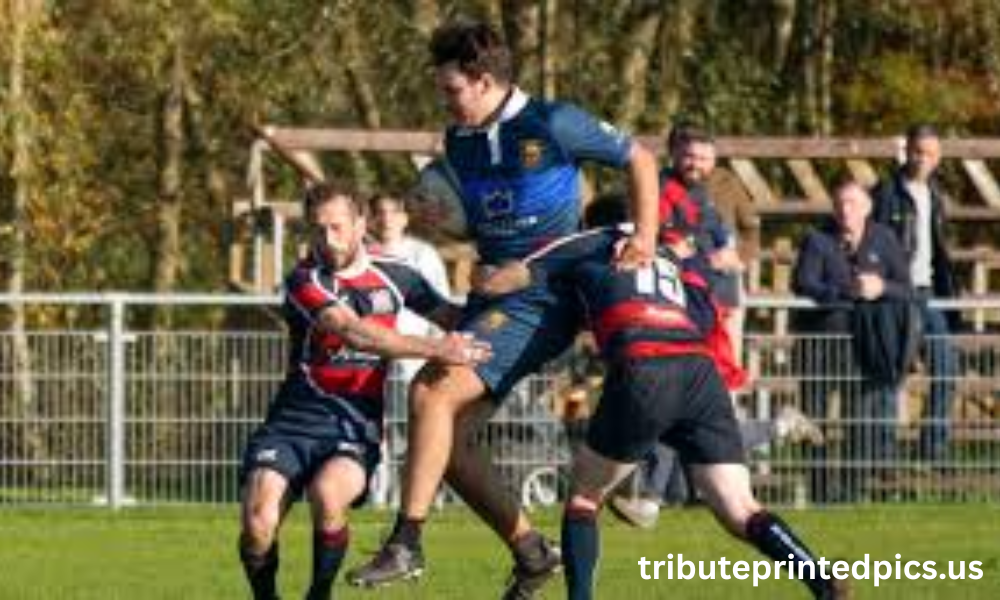

Introduction to dolfier and Local Rugby Scene
Rugby has developed into a structured and widely followed sport in several regional communities, and dolfier stands as one of the emerging names contributing to this growth. The club plays a practical role in shaping rugby culture through organized training systems, consistent participation in fixtures, and steady focus on player improvement. Within the broader rugby union environment, the club has created a space where players can learn discipline, teamwork, and competitive awareness while participating in structured matches.
The presence of Dolphins Rugby Club alongside dolfier has strengthened this local rugby framework. Both groups often operate in a shared environment where experience and player development are prioritized over short-term results. This approach has helped build a stable foundation for rugby competition, especially in areas like Harderwijk and nearby regions where the sport continues to expand.
Rugby match participation for dolfier is not only about winning but also about building identity and consistency. Every competitive match becomes a learning opportunity where players adapt to pressure, improve communication, and develop tactical understanding. This long-term focus allows the club to grow within a structured rugby program that supports both individual and team development.
Quick Bio Table – dolfier Rugby Club:
| Category | Details |
|---|---|
| Club Name | dolfier |
| Sport | Rugby union |
| Type | Rugby club / joint rugby team |
| Associated Club | Dolphins Rugby Club |
| Opponent Examples | RFC The Rams |
| Location Base | Harderwijk, Apeldoorn (regional participation) |
| Competition Level | Local and regional competitive rugby matches |
| Core Activity | Rugby matches, training sessions, player development |
| Rugby Season Role | Regular participation in fixtures and competitions |
| Club Structure | Organized rugby organization with coach, captain, and management system |
| Team System | Team roster, squad rotation, structured team lineup |
| Key Focus | Rugby development, team coordination, performance improvement |
| Training Style | Fitness and conditioning, rugby drills, tactical training sessions |
| Match Preparation | Strategy planning, opponent analysis, warm-up sessions |
| Playing Style | Balanced offensive play and defensive play |
| Key Game Elements | Scrum, line-out, try scoring, line-breaks |
| Strategy Approach | Game strategy execution based on opponent strengths |
| Player Development | Skills improvement, youth rugby development, grassroots rugby |
| Collaboration Model | Multi-club collaboration and shared resources in sports |
| Team Values | Team spirit, sportsmanship, teamwork, discipline |
| Performance Focus | Match performance, player performance, team chemistry |
| Community Role | Rugby community development and local sports engagement |
| Long-Term Goal | Strengthen rugby program and expand competitive presence |
History and Formation of the Rugby Club
The formation of dolfier is linked with a practical need to strengthen rugby activity at the local level. The club was built with the intention of creating a stable rugby organization where players could train regularly and compete in structured environments. Over time, this effort led to the development of a more defined club structure, where responsibilities and roles were clearly assigned.
Early development stages focused on building a basic team roster and introducing consistent training routines. As participation increased, the club expanded its rugby squad and began forming stronger connections with other local teams. This expansion helped improve match opportunities and created a pathway for joint rugby team development.
The collaboration with Dolphins Rugby Club played an important role in shaping the modern identity of dolfier. By sharing players and training resources, both clubs created a system that supported rugby development at multiple levels. This cooperation also introduced better exposure to competitive matches, which improved the overall quality of performance and match readiness.
Over time, dolfier became more structured in its rugby season planning. Fixtures were organized with clearer objectives, and player development became a central focus. This shift marked an important step in the evolution of the club, turning it from a basic team setup into a more organized rugby program.
Club Structure and Rugby Organization
The internal structure of dolfier is designed to support long-term growth and stable performance. The club management focuses on coordination between coaching staff, players, and support members to ensure smooth operation during training and matches. This structure helps maintain discipline and ensures that each player understands their role within the team formation.
The coach plays a key role in developing rugby tactics and guiding the team through different phases of the rugby season. The captain provides on-field leadership, ensuring that team coordination remains strong during high-pressure situations. Together, they maintain balance between strategy and execution.
Player selection is based on performance, fitness, and adaptability. The team roster is adjusted regularly to maintain freshness and ensure that players are given opportunities to develop. This rotation system helps maintain energy levels and improves overall team resilience.
The rugby organization within dolfier also focuses on building a consistent rugby experience for all players. Whether it is training sessions or competitive matches, the structure remains stable and predictable. This stability helps players focus on improvement rather than uncertainty, which directly impacts match performance.
Team Lineup and Player Roles
The team lineup in dolfier is carefully planned before each rugby match. Selection is based on individual performance during training sessions, physical readiness, and tactical requirements of the opponent team. This approach ensures that each player contributes effectively during the match.
Player positioning is an important part of the strategy. For example, forwards focus on scrums and physical contests, while backs handle attacking movements and scoring opportunities. This balance between roles ensures smooth game dynamics and structured gameplay.
The captain is responsible for maintaining communication on the field, while the coach observes and adjusts game strategy execution from the sidelines. This dual leadership model improves decision-making during critical match moments.
In addition, player rotation is used to maintain energy levels throughout the match. Substitutions are planned in advance but remain flexible depending on match intensity. This system helps maintain consistent performance even during high-pressure phases.
Training Programs and Skill Development
Training is one of the most important components of dolfier’s rugby program. Sessions are designed to improve physical fitness, technical ability, and tactical understanding. Players participate in structured rugby training sessions that include both individual and team-based exercises.
Fitness and conditioning are prioritized to ensure players can handle game intensity during competitive matches. Strength training, endurance drills, and agility exercises are included in regular routines. These activities help players adapt to the physical demands of rugby union.
Skill development focuses on passing, tackling, positioning, and decision-making under pressure. Rugby drills are used to simulate real match situations so that players can improve reaction time and coordination.
Team spirit is also developed during training. Group exercises encourage communication and trust among players. This improves team chemistry, which is essential during competitive environments where quick decisions are required.
Match Preparation and Strategy Planning
Before each fixture, dolfier follows a structured match preparation process. This includes studying the opponent team, analyzing previous game highlights, and planning tactical responses. The goal is to ensure that players enter the match with clear understanding of their roles.
The coach develops game strategy based on opponent strengths and weaknesses. This includes deciding when to focus on offensive play and when to strengthen defensive play. Player positioning is adjusted accordingly to maximize effectiveness during the match.
Warm-up sessions are conducted before kick-off to prepare players physically and mentally. These sessions also help improve focus and reduce the risk of injury.
Match readiness is not only physical but also mental. Players are encouraged to maintain a strong sports competition mindset, which helps them stay focused during pressure situations.
Competitive Matches and Rugby Season Overview
The rugby season for dolfier includes multiple competitive matches against different teams. Each match contributes to overall development and provides valuable experience for players. The club views every sports event as an opportunity to improve performance and strengthen team identity.
Game intensity varies depending on the opponent, but the focus remains on maintaining discipline and structure. Even in difficult matches, players are encouraged to maintain team effort and coordination.
Over the season, match results are analyzed to identify strengths and weaknesses. This helps improve future performance and ensures continuous development throughout the rugby program.
Key Match Against RFC The Rams
One of the notable fixtures for dolfier was the competitive match against RFC The Rams. This match highlighted the progress made by the team in terms of coordination and tactical execution. Both sides displayed strong performance, making it a closely contested game.
During the match, several attacking movements led to scoring opportunities, including well-executed line-break actions and structured passing sequences. Defensive pressure from both teams created a balanced contest throughout.
Scrums and line-outs played a key role in maintaining possession. Both teams showed discipline in set-piece execution, which kept the game competitive until the final stages.
The scoreline reflected a balanced performance, with neither team dominating completely. This match became an important reference point for future game analysis.
Match Highlights and Performance Analysis
Match highlights from recent fixtures show steady improvement in team performance. Players have become more confident in handling pressure and executing strategies during real game situations.
The scrum formation has become more stable, while line-out execution has improved in accuracy. Defensive coordination has also strengthened, reducing scoring opportunities for opponents.
Game analysis sessions are conducted after each match to review performance. These sessions help identify areas that need improvement and highlight successful strategies that can be reused in future matches.
Team Strategy and Tactical Execution
Team strategy in dolfier is built around balance and adaptability. The club focuses on adjusting tactics based on match situations rather than relying on a fixed style of play. This flexibility allows better response to different opponent strategies.
Offensive play is structured around controlled passing and movement, while defensive play focuses on maintaining pressure and reducing space for opponents. This combination ensures stability throughout the match.
Game strategy execution depends on communication between players and leadership from the captain. Quick decisions during gameplay often determine match outcomes, making coordination essential.
Player Performance and Team Contribution
Player performance is evaluated based on consistency, effort, and tactical awareness. Each player contributes to the overall team result, whether through scoring, defending, or supporting movements.
Team chemistry plays a major role in success. When players understand each other’s movements, coordination improves naturally during matches. This reduces errors and increases efficiency.
The coaching staff regularly monitors performance improvement to ensure that each player continues to develop throughout the rugby season.
Club Collaboration and Joint Rugby Team Model
The collaboration between dolfier and Dolphins Rugby Club has created a strong joint rugby team model. This system allows both clubs to share players, training methods, and resources.
Club partnership improves access to better facilities and increases exposure to competitive matches. It also strengthens rugby development by combining experience from both organizations.
Multi-club collaboration has become an effective method for improving performance and building stronger teams in regional rugby environments.
Youth Development and Grassroots Rugby
Youth development is an important focus area for dolfier. The club supports grassroots rugby programs that introduce young players to structured training and competitive environments.
Young players are guided through a talent development pathway that includes basic skill training and gradual exposure to competitive matches. This approach ensures long-term growth of rugby talent.
Coaches emphasize discipline, teamwork, and skill development during early training stages. This helps build a strong foundation for future players.
Rugby Culture and Community Impact
Rugby culture within dolfier is built on respect, discipline, and teamwork. The club encourages players to maintain sportsmanship both on and off the field.
Community involvement is also an important part of the club’s identity. Local events and training programs help increase participation and awareness of rugby.
This connection between club and community strengthens the overall rugby environment and encourages more participation in the sport.
Future Vision and Development Goals
The future direction of dolfier focuses on improving competitive performance and expanding training programs. The club aims to strengthen its rugby organization and increase participation across all levels.
There is also a focus on improving training quality and introducing more structured development programs for players. These efforts aim to build a stronger and more competitive rugby identity.
Conclusion
dolfier has developed into a structured and growing rugby club that focuses on teamwork, discipline, and long-term player development. Through collaboration with Dolphins Rugby Club and consistent participation in competitive matches, the club continues to strengthen its position in regional rugby.
FAQs
What is dolfier in rugby
dolfier is a rugby club involved in rugby union competition and player development through structured training and matches.
Where is dolfier based
The club operates in regions like Harderwijk and participates in local rugby competitions.
What makes dolfier competitive
Strong training systems, teamwork, and structured match preparation improve its competitive performance.
Does dolfier work with other clubs
Yes, it collaborates with Dolphins Rugby Club through a joint rugby team model.
Does the club support youth players
Yes, youth development and grassroots rugby programs are part of its long-term structure.