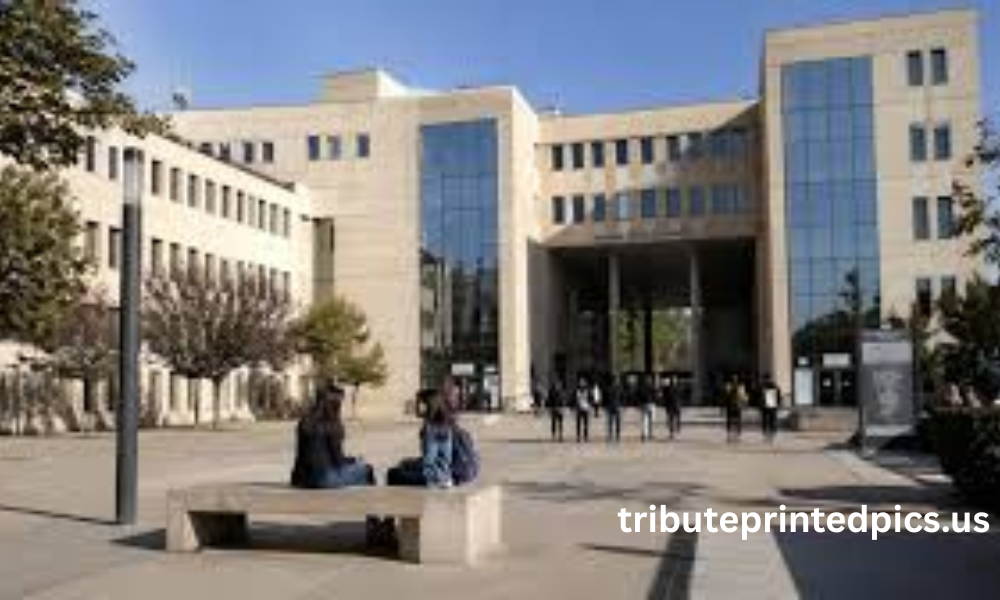

Introduction to Centro Politécnico Superior
Centro Politécnico Superior is one of the most recognized engineering education institutions in Spain. It operates under the University of Zaragoza and is commonly referred to as CPS in academic and professional environments. The institution plays a key role in shaping engineering education Spain through structured academic programs, applied learning systems, and research activities that connect students directly with modern industry needs.
The institution is known for its balanced focus on theory and practice. Students are not limited to classroom learning but are also involved in applied sciences education that helps them understand how engineering concepts work in real systems. Zaragoza Spain has developed into a strong academic location, and CPS contributes significantly to this identity by training engineers who work in global industries.
The engineering school environment is designed to support academic discipline and technical creativity. Students from different countries study here, making it a diverse academic space. The presence of international students also strengthens cultural exchange and improves global engineering workforce readiness. CPS continues to be an important part of the European higher education system by maintaining modern academic standards and practical learning structures.
Quick Bio Table: Centro Politécnico Superior (CPS):
| Category | Details |
|---|---|
| Full Name | Centro Politécnico Superior |
| Common Name | CPS |
| Type of Institution | Engineering school / technical university division |
| Parent University | University of Zaragoza |
| Location | Zaragoza, Spain |
| Campuses | María de Luna campus, Río Ebro campus |
| Education System | European Higher Education Area (EHEA) |
| Academic Focus | Engineering education, applied sciences education, research-driven training |
| Major Fields | Industrial engineering, mechanical engineering, civil engineering, electrical engineering, computer engineering, telecommunications engineering |
| Architecture Studies | Architecture school-related programs included |
| Study Levels | Undergraduate degrees, master’s programs, doctoral programs |
| Teaching Style | Project-based learning model, hands-on laboratory learning |
| Learning Focus | Practical engineering skills, problem-solving engineering education, technical skill development |
| Research Areas | Renewable energy research, robotics engineering, materials science, smart manufacturing, automation systems |
| Industry Focus | Industry 4.0, digital transformation engineering, automation and robotics field |
| Facilities | Engineering lab facilities, research laboratories, technology innovation center |
| Student Base | Engineering students, international students |
| Exchange Programs | Erasmus exchange program |
| Industry Links | Industry partnerships, university-industry linkage, industrial collaboration network |
| Internship Support | Internships programs, engineering internships experience |
| Career Support | Career services, graduate employment support |
| Career Outcomes | Engineering career opportunities, career-ready graduates, global engineering workforce readiness |
| Academic Strength | Engineering faculty, University of Zaragoza faculty expertise |
| Research Output | Engineering research output, academic research collaboration |
| Innovation Focus | Innovation and entrepreneurship, innovation and development hub |
| Technology Areas | Smart technology systems, energy systems engineering, transportation engineering studies |
| Institution Role | STEM education institution, technical training institute in engineering field |
| Regional Importance | Key contributor to engineering education Spain |
| Global Relevance | European higher education system integration and international recognition |
Academic Identity and Institutional Background
The Centro Politécnico Superior functions as a specialized technical university division that focuses mainly on engineering and architecture school related education. It is closely connected with the University of Zaragoza faculty, which ensures academic quality and research consistency across departments. The institution supports multiple levels of education including undergraduate degrees, master’s programs, and doctoral programs.
The academic model follows the EHEA education system, which allows compatibility with universities across Europe. This structure helps students continue education or employment in different countries without academic barriers. CPS also maintains a strong research-driven university identity where education and innovation work together in a continuous cycle.
The engineering faculty is structured in a way that supports specialization. Each department focuses on a specific engineering field such as mechanical systems, civil infrastructure, and computer-based technologies. This structure ensures that students receive focused training in their chosen discipline while still being exposed to interdisciplinary engineering programs that expand their technical understanding.
Campus Structure and Learning Environment
The campus system of Centro Politécnico Superior is distributed across María de Luna campus and Río Ebro campus. These locations are designed to support both academic learning and research activities. The environment includes modern engineering lab facilities, digital classrooms, and advanced research laboratories that allow students to work on practical engineering problems.
Students are trained in real engineering conditions rather than only theoretical simulations. This approach improves technical skill development and prepares them for real industry environments. The campus also connects academic learning with innovation and development hub initiatives where students can participate in experimental projects and technology-based research activities.
The learning environment is designed to promote collaboration between students and faculty. Engineering research laboratories are open for academic projects and industry-based research, which strengthens academic research collaboration and supports engineering research output across different departments.
Engineering Programs and Academic Structure
Centro Politécnico Superior offers a wide range of engineering programs that cover both foundational and advanced levels of education. The institution provides undergraduate degrees that introduce students to core engineering principles. These programs include industrial engineering, mechanical engineering, civil engineering, electrical engineering, computer engineering, and telecommunications engineering.
At the postgraduate level, master’s programs focus on specialization and advanced technical knowledge. These programs are designed to prepare students for professional engineering growth and industry leadership roles. Doctoral programs are research-focused and allow students to contribute to innovation in fields such as robotics engineering, energy systems engineering, and materials science.
The academic structure is based on an industry-oriented curriculum that ensures students gain practical engineering skills alongside theoretical knowledge. The curriculum also includes multidisciplinary engineering programs that allow students to combine different fields such as automation systems and smart manufacturing technologies. This structure prepares students for complex real-world engineering projects.
Program Structure Overview Table
Program Level
Focus Area
Career Direction
Undergraduate Degrees
Core engineering foundations and applied sciences education
Entry-level engineering roles in industry and technical sectors
Master’s Programs
Specialized engineering knowledge and advanced technical study
Senior engineering positions and research-based roles
Doctoral Programs
Research development in engineering and innovation systems
Academic careers and industrial research leadership
Teaching Method and Learning Style
The teaching system at Centro Politécnico Superior is based on a project-based learning model that encourages students to learn through real engineering tasks. Instead of focusing only on theoretical exams, students engage in practical assignments that simulate real industrial challenges. This helps them develop problem-solving engineering education skills that are required in modern industries.
Hands-on laboratory learning plays an important role in student development. Engineering lab facilities are used for experiments in automation systems, materials testing, and digital simulations. These practical sessions improve understanding of engineering principles and help students connect theory with real-world applications.
The academic structure encourages students to think independently and work in teams. This approach builds technical skill development and prepares students for professional environments where collaboration and innovation are essential.
7. Research and Innovation Ecosystem
Centro Politécnico Superior has a strong focus on research-driven university activities. The institution is actively involved in academic research collaboration with international organizations and industry partners. This creates a strong technology and innovation ecosystem that supports advanced engineering development.
Research areas include renewable energy research, robotics engineering, smart manufacturing, automation and robotics field, energy systems engineering, transportation engineering studies, and civil infrastructure development. These fields are directly connected to global industrial needs and technological advancements.
The institution also focuses on Industry 4.0 technologies, which include digital transformation engineering and smart technology systems. These areas help students and researchers develop solutions for modern industrial challenges. Innovation and entrepreneurship are encouraged through research projects that often lead to real-world applications.
8. Industry Collaboration and Practical Exposure
Centro Politécnico Superior maintains strong university-industry linkage through partnerships with engineering companies and research organizations. These partnerships provide students with engineering internships experience and exposure to real industrial environments.
Internships programs are an important part of the academic journey. Students work in companies that focus on automation, renewable energy, software systems, and manufacturing technologies. This experience improves their engineering employability rate and prepares them for professional careers.
Career services at CPS support students in finding engineering career opportunities after graduation. The institution maintains an industrial collaboration network that connects students with employers across Europe and beyond. This system ensures that graduates are career-ready and capable of working in global engineering environments.
9. Student Life and International Exposure
Student life at Centro Politécnico Superior is diverse and internationally oriented. The presence of international students creates a multicultural environment that enhances learning experiences. The Erasmus exchange program allows students to study in other European universities and gain exposure to different academic systems.
The campus encourages participation in academic clubs, innovation projects, and engineering competitions. These activities help students develop teamwork skills and improve their understanding of applied sciences education in practical contexts.
Students also benefit from exposure to European higher education system standards, which ensures academic consistency and global recognition of their qualifications.
10. Skills Development and Practical Training
The institution places strong emphasis on technical training institute style education where students gain practical experience through structured training sessions. Engineering lab facilities are used extensively for experiments and project development.
Students work on real-world engineering projects that involve automation systems, smart manufacturing processes, and digital engineering tools. This approach improves technical skill development and prepares students for complex industrial challenges.
Training also includes exposure to engineering research laboratories where students participate in experiments related to materials science, robotics, and energy systems. This combination of theory and practice builds strong professional engineering growth.
11. Career Path and Graduate Opportunities
Graduates from Centro Politécnico Superior enter a wide range of industries including engineering firms, technology companies, research institutions, and government projects. The institution has a strong reputation for producing career-ready graduates who can adapt to different technical environments.
Career services help students prepare for job interviews, internships, and industrial placements. Many graduates find opportunities in automation systems, civil infrastructure development, renewable energy, and software engineering sectors.
The institution’s focus on engineering career opportunities ensures that students are well-prepared for both local and international job markets. This contributes to global engineering workforce readiness and strengthens the professional value of CPS graduates.
12. Innovation and Technology Development
Centro Politécnico Superior plays an important role as an innovation and development hub. Students and faculty collaborate on projects that focus on sustainable engineering solutions and advanced technology systems. These projects often involve real industrial applications and research-based development.
The institution supports innovation and entrepreneurship by encouraging students to develop new ideas and technologies. Many projects focus on improving energy systems, transportation systems, and automation technologies.
This environment helps strengthen CPS as a leading STEM education institution where innovation is part of daily academic life.
13. Academic Strength and Faculty Expertise
The University of Zaragoza faculty associated with CPS includes experienced researchers, engineers, and academic professionals. These experts guide students through complex engineering concepts and research projects.
Faculty members contribute to engineering research output in areas such as robotics, energy systems, and materials science. Their work supports global academic research collaboration and strengthens the institution’s academic reputation.
The teaching environment encourages professional engineering growth through mentorship programs, research supervision, and industry-linked academic activities.
14. Challenges and Modern Engineering Needs
Centro Politécnico Superior continues to adapt to changes in global engineering education system requirements. Rapid advancements in digital transformation engineering and artificial intelligence require continuous updates in curriculum and teaching methods.
The institution faces increasing demand for improved engineering lab facilities and stronger integration with global industries. It continues to enhance its engineering curriculum structure to match modern industrial expectations.
These challenges help shape future academic development and ensure that CPS remains competitive in the global engineering education landscape.
15. Conclusion
Centro Politécnico Superior stands as a strong example of modern engineering education in Spain. It combines academic excellence with practical training and research-driven learning. The institution continues to prepare students for global engineering careers through structured programs, industry collaboration, and innovation-focused education.
With strong programs in industrial engineering, robotics, computer systems, and civil infrastructure development, CPS remains an important part of the European engineering education system. Its focus on applied learning and research ensures long-term value for students and industry partners.
FAQs
1. What is Centro Politécnico Superior known for?
It is known for engineering education, research programs, and technical training under the University of Zaragoza.
2. Where is CPS located?
It is located in Zaragoza, Spain, across María de Luna campus and Río Ebro campus.
3. What engineering fields are offered?
It offers industrial, mechanical, civil, electrical, computer, and telecommunications engineering.
4. Does CPS support international students?
Yes, it supports international students through Erasmus exchange program and global collaborations.
5. What career options do graduates have?
Graduates work in engineering companies, research centers, and technology industries worldwide.