
Cruise Incident That Shook CocoCay Visitors
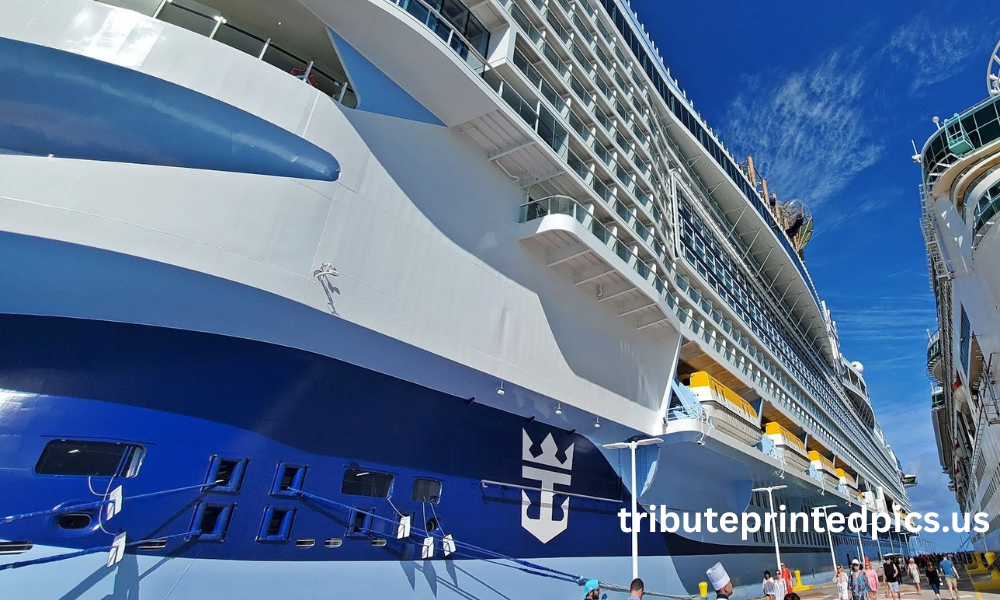
A serious incident involving a Royal Caribbean passenger falls pier situation near CocoCay created concern among cruise travelers and industry observers. The event happened in a busy pier walkway area where passengers were moving between the cruise ship and the private island facilities. CocoCay is a high-traffic destination operated under Royal Caribbean Group, and it regularly receives large cruise ships such as Symphony of the Seas, Oasis of the Seas, and Freedom of the Seas. The incident became widely discussed because it occurred during normal boarding movement when the area was already crowded with passengers.
At the time of the incident, passengers were engaged in typical activities such as taking photographs, walking toward island attractions, and exploring the dock area. The environment included heavy passenger flow, which is common at cruise boarding areas. Reports indicate that the passenger lost balance near the edge of the pier where there is usually a controlled walkway and safety markings. The presence of distraction due to smartphone usage and photo capturing increased the risk factor in the area. This type of cruise ship pier incident highlights how quickly a routine boarding situation can turn into an emergency scenario when movement becomes congested and attention is divided.
CocoCay functions as a private island cruise destination designed for leisure and recreation. However, its operational complexity increases significantly when multiple ships arrive within short intervals. The cruise line operations team manages docking schedules carefully, but passenger density on the pier can still create pressure points. In this case, the combination of crowd movement, environmental conditions, and human behavior contributed to a dangerous moment that required immediate attention from crew members and emergency response teams.
Quick Bio Table:
| Category | Details |
|---|---|
| Incident Name | Royal Caribbean passenger falls pier incident |
| Cruise Line | Royal Caribbean Group |
| Location | CocoCay, Bahamas (Perfect Day at CocoCay) |
| Type of Incident | Pier accident with passenger falling into water |
| Cruise Ships Involved Context | Symphony of the Seas, Oasis of the Seas, Freedom of the Seas, Star of the Seas |
| Environment | Crowded pier walkway during ship boarding and disembarkation |
| Possible Contributing Factors | Passenger distraction, smartphone usage, crowd movement, pier edge proximity |
| Safety Area | Ship boarding area and pier edge zone |
| Weather Conditions Context | Rough seas, strong winds, winter storm influence (in regional operations) |
| Infrastructure Involved | Cruise port infrastructure, pier walkway, mooring systems, warning lines |
| Emergency Signal | Oscar Oscar Oscar (man overboard alert) |
| Emergency Response | Crew rescue, jet ski rescue, lifebuoy rescue, search and rescue coordination |
| Safety Systems Activated | Ship alarm system, cruise safety protocol, emergency maritime response |
| Operational Impact | Ship diversion, itinerary change, cruise schedule adjustment (in related scenarios) |
| Cruise Operations | Cruise line operations managed by Royal Caribbean Group |
| Port Activity Type | Multi-ship docking, tender operation, tendering process |
| Safety Risks Highlighted | Pier edge accident, floating vessel clearance gap, distraction-related accidents |
| Passenger Behavior Factors | Phone filming incident, photo-taking accident, compliance issues |
| Industry Context | Cruise industry disruption awareness and safety improvement focus |
| Tourism Zone | Bahamas cruise tourism, private island resort cruise destination |
| Safety Lessons | Passenger awareness, crowd control, improved pier safety management |
| Overall Outcome | Rapid rescue response and reinforcement of cruise safety protocols |
CocoCay and Its Cruise Importance
CocoCay, officially branded as Perfect Day at CocoCay, is one of the most important private island destinations in the Bahamas cruise tourism sector. It is designed to serve as a controlled resort-style environment exclusively for Royal Caribbean passengers. Ships such as Star of the Seas, Symphony of the Seas, Oasis of the Seas, and Freedom of the Seas regularly include CocoCay as a major port of call in their itineraries. The island offers beaches, water parks, and recreational zones, making it one of the most visited cruise stops in the Caribbean region.
The infrastructure of CocoCay is built to handle large-scale cruise operations, including multi-ship docking systems and tender operation support. However, even with advanced cruise port infrastructure, the movement of thousands of passengers within a short time frame creates natural congestion points. The pier walkway becomes a critical transition zone where passengers move between the ship boarding area and island facilities. This zone requires strict coordination because it connects ship navigation safety systems with land-based tourism operations.
The private island resort cruise model depends heavily on efficient scheduling and fleet coordination. When ships like Oasis of the Seas or Freedom of the Seas arrive, the island must manage high passenger throughput without compromising safety. The pier area is designed with warning lines and edge safety barriers, but human behavior still plays a major role in accident prevention. The importance of CocoCay lies not only in tourism value but also in demonstrating how modern cruise logistics operate under pressure while maintaining safety standards.
Weather Conditions That Increase Risk
Weather conditions in the Bahamas region can change rapidly, and these changes often influence cruise ship operations and pier safety. Events such as winter storms, strong winds, and rough seas can disrupt normal docking procedures. In some cases, storm damage can affect pier structures or cause temporary dock disruption. When this happens, cruise lines may adjust itineraries or reroute ships to alternative ports to ensure passenger safety.
Marine weather disruption plays a major role in cruise itinerary planning. Even when conditions are stable at departure ports, weather systems can intensify during travel, leading to cruise itinerary disruption or ship diversion. These changes are not uncommon in Caribbean cruise routes where coastal storm impact can affect multiple destinations simultaneously. Cruise operators continuously monitor weather data to reduce risk, but sudden changes can still require operational adjustments.
In scenarios where weather conditions worsen near CocoCay, cruise ships may experience delays in docking or may switch to sea day schedules instead of port visits. This leads to cruise schedule adjustment and sometimes cruise cancellation for specific destinations. Strong winds can also affect mooring system stability, which increases the importance of careful ship navigation safety protocols during arrival and departure procedures.
How Pier Design and Infrastructure Affect Safety
Cruise port infrastructure plays a critical role in ensuring safe passenger movement between ships and land. Modern cruise piers are designed with floating vessel clearance gaps, reinforced docking platforms, and mooring systems that stabilize large cruise ships. However, even advanced designs face challenges when dealing with multi-ship congestion and changing sea conditions.
The ship-to-pier gap is one of the most important safety considerations in cruise engineering. This gap can change depending on tide levels, wave activity, and ship weight distribution. Warning lines and edge barriers are installed to guide passengers and reduce the risk of falling. However, crowd movement on piers can sometimes overwhelm these systems, especially during peak boarding times.
Dock maintenance issues and harbor engineering challenges are ongoing concerns for cruise operators. When multiple ships are docked simultaneously, fleet coordination scheduling becomes essential to avoid congestion. Cruise terminal operations must also ensure that passenger flow remains smooth while maintaining strict safety standards. These systems are designed to minimize risk, but human factors remain unpredictable in crowded environments.
What Happened During the Pier Incident
During the incident involving the Royal Caribbean passenger falls pier situation, the passenger reportedly lost balance while moving through a crowded section of the pier walkway. The area was active with passengers arriving and departing from the cruise ship boarding area. At the same time, many individuals were using smartphones to capture photos and videos, which contributed to distraction-related risks.
Passenger behavior risk is a known factor in cruise safety studies. When individuals focus on filming or taking pictures, they may fail to notice warning lines or edge safety barriers. In this case, the passenger fell near a controlled edge zone where movement should be carefully monitored. The incident quickly triggered attention from nearby passengers and crew members.
Cruise line operations teams are trained to respond immediately to such situations. The presence of cruise safety protocol systems ensures that emergency responses are activated without delay. The situation escalated quickly due to the proximity of water and the crowded environment, requiring immediate coordination between onboard staff and shore-based personnel.
Emergency Response and Rescue Action
Once the passenger entered the water, the ship alarm system was activated, and a man overboard alert was issued. The emergency announcement often includes coded language such as Oscar Oscar Oscar, which signals immediate response procedures across the ship. This triggers search and rescue coordination between crew members, lifeguards, and nearby support teams.
Water rescue operations began almost immediately. Jet ski rescue units were deployed to reach the passenger quickly, while lifebuoy rescue equipment was used as a backup safety measure. Crew rescue teams coordinated movement from both the ship and pier to ensure rapid response. The entire safety response system is designed for fast execution in situations where every second matters.
Search and rescue operations in cruise environments rely on precise coordination. Maritime emergency response protocols ensure that multiple teams work together without confusion. Evacuation logistics on ships are also part of this system, allowing crew members to manage passenger safety while rescue operations are underway. These systems reflect strict marine safety regulations followed across the global cruise industry.
Passenger Safety Awareness on Cruise Piers
Passenger safety awareness is one of the most important factors in preventing cruise ship pier incidents. Many accidents occur when passengers are distracted by smartphones or are unaware of their surroundings. Smartphone usage hazards have become more common in modern travel environments, especially in scenic locations like CocoCay.
Cruise companies provide onboard safety briefing sessions before reaching destinations. These briefings include instructions about pier movement, warning lines, and safe walking zones. Despite this, passenger compliance rules are not always followed strictly, which increases the risk of distraction-related accidents.
Crowd movement on piers is another important safety concern. When large groups of passengers move simultaneously, edge zones can become congested. Cruise operators continuously monitor these areas to ensure safe flow, but personal responsibility remains essential in maintaining safety standards.
Cruise Ship Diversion and Schedule Changes
Cruise ships sometimes undergo ship diversion or itinerary change due to weather conditions, safety concerns, or port disruptions. When pier damage or dock disruption occurs, ships may skip CocoCay or replace the stop with a sea day. These decisions are made to prioritize passenger safety and operational stability.
Large cruise ships like Symphony of the Seas and Oasis of the Seas operate on strict schedules. Any delay or change affects multiple segments of the journey. Cruise cancellation of specific ports is rare but can happen when conditions are unsafe. Cruise itinerary disruption is managed through alternative port routing and cruise schedule adjustment strategies.
Cruise Industry Response and Safety Improvements
The cruise industry continuously improves safety systems based on past incidents and operational data. Cruise risk management strategies are updated regularly to address emerging challenges such as crowd density and weather-related disruptions. Cruise operators also invest in better cruise island infrastructure to reduce congestion and improve passenger flow.
Royal Caribbean Group has focused on enhancing dock safety systems, improving communication protocols, and strengthening emergency response coordination. Viral cruise incidents often lead to public discussions, which influence safety policy updates across the industry.
Weather and Marine Conditions Impact
Marine weather disruption remains one of the most unpredictable factors in cruise travel. Even well-planned itineraries can change due to sudden storms or wind changes. Cruise navigation safety systems are designed to monitor these conditions in real time.
When conditions worsen, ships may delay docking or adjust routes. Coastal storm impact can affect multiple ports simultaneously, making alternative port routing necessary. Cruise operational contingency planning ensures that passenger safety is maintained under all circumstances.
Cruise Port Congestion and Operational Pressure
Multi-ship congestion at destinations like CocoCay creates operational pressure on cruise terminals. When several ships arrive within short time frames, passenger flow must be carefully managed. Cruise island exclusivity models depend on controlling crowd size while maintaining service quality.
Fleet coordination scheduling helps reduce overlap between ship arrivals. However, high demand periods still create crowded pier areas. Cruise industry disruption due to congestion is managed through careful planning and real-time adjustments.
Emergency Communication and Safety Systems
Cruise ships rely on advanced emergency communication systems to manage critical situations. Ship alarm procedures are designed to alert crew members instantly. Emergency maritime response systems ensure coordinated action across different departments.
Passenger reporting systems also play a role in identifying issues quickly. Cruise operators use onboard safety briefing updates to keep passengers informed about procedures and guidelines.
Passenger Reporting and Social Media Impact
Social media cruise reports have increased awareness of onboard incidents. While this helps spread information quickly, it can also lead to incomplete or inaccurate interpretations of events. Passenger incident reporting is now monitored more closely by cruise operators to ensure accurate communication.
Cruise Safety Culture and Future Improvements
Cruise safety culture continues to evolve with better training, improved infrastructure, and advanced monitoring systems. Evacuation logistics on ships are being refined to handle emergencies more efficiently. Cruise island resort cruise operations are also being upgraded to reduce crowd density and improve passenger experience.
Conclusion
The Royal Caribbean passenger falls pier incident highlights the importance of safety awareness in crowded cruise environments. While cruise ships and private islands like CocoCay maintain advanced safety systems, human behavior, weather conditions, and crowd movement all play important roles in overall risk management. Continuous improvements in cruise safety protocol, infrastructure design, and emergency response systems are helping reduce such incidents and improve passenger security across the industry.
FAQs
What caused the Royal Caribbean pier incident
The incident occurred due to passenger movement near a crowded pier walkway combined with distraction and crowded conditions.
How was the passenger rescued after falling into water
The crew activated emergency alerts and used jet skis, lifebuoys, and coordinated rescue teams to recover the passenger quickly.
Is CocoCay safe for cruise passengers
Yes, CocoCay is generally safe, but crowded pier areas require careful attention and passenger awareness.
Can weather affect cruise stops at CocoCay
Yes, storms, rough seas, and strong winds can lead to itinerary changes or temporary port closures.
How do cruise ships prevent pier accidents
They use safety barriers, warning systems, onboard briefings, and strict passenger flow management procedures.