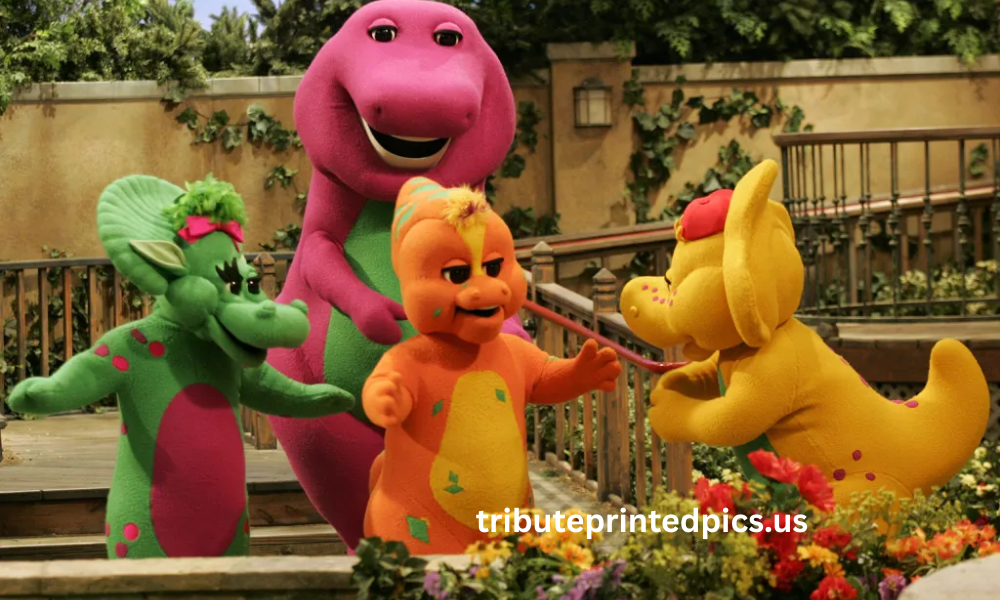

The Beginning of Barney and Friends Era
Barney and Friends began as a simple idea built around a friendly purple dinosaur who could talk, sing, and teach young children life lessons. The character Barney the Dinosaur was designed as a friendly Tyrannosaurus rex, which made him less scary and more approachable for preschool audiences. The purpose behind the creation was to build a preschool television series that could teach children values in a way that felt playful instead of formal classroom learning.
The origin of the show traces back to Sheryl Leach, who wanted to create an educational children’s program focused on emotional development and early learning skills. Before the television success, the character first appeared in Barney & the Backyard Gang, which helped shape the foundation for what later became Barney and Friends. The transition to PBS children programming and collaboration with Connecticut Public Television gave the show a wider reach and stronger educational structure. This early phase helped Barney grow from a local concept into a global children’s TV show phenomenon.
Quick Bio Table: Barney and Friends Stars:
| Category | Details |
|---|---|
| Show Name | Barney and Friends |
| Main Character | Barney the Dinosaur (purple Tyrannosaurus rex) |
| Show Type | Preschool television series, educational children’s program |
| Creator | Sheryl Leach |
| Production Company | Lyons Group |
| Broadcasting Networks | PBS children programming, Connecticut Public Television |
| Original Concept | Barney & the Backyard Gang |
| Main Purpose | Early childhood education through music, storytelling, and imagination |
| Educational Focus | Social-emotional learning, preschool learning, early literacy development |
| Key Characters | Barney, Baby Bop, BJ dinosaur, Riff dinosaur |
| Voice Actors | Bob West (original), Dean Wendt (later) |
| Costume Performer | David Joyner |
| Human Cast | Rotating child actors and human cast members across seasons |
| Popular Songs | Barney theme song, I Love You song, Barney songs collection |
| Music Style | Sing along children music, music-based learning system |
| Learning Method | Educational storytelling, interactive storytelling for preschoolers |
| Cultural Era | 1990s children shows, nostalgia childhood TV |
| Cultural Status | 1990s pop culture icon, viral children TV character |
| Media Style | Live-action puppetry mixed with costume performance |
| Awards | Daytime Emmy nominations (children’s programming recognition) |
| Merchandise | Toys, books, albums, educational products |
| Media Expansion | Barney discography, Barney merchandise, documentaries |
| Modern Coverage | Barney documentary, Generation Barney podcast |
| Public Reaction | Loved globally, also known for Barney parody and media satire |
| Educational Impact | Emotional intelligence for kids, cognitive development for toddlers |
| Legacy | Influential preschool education television franchise |
| Audience | Preschool and toddler children worldwide |
| Long-Term Impact | Generational kids entertainment influence and nostalgia-driven revival |
Concept Behind the Purple Dinosaur Show
The concept of Barney and Friends was centered on emotional learning and imagination. The creators believed that children learn best when they feel connected to what they are watching. Barney was designed to interact directly with children through songs, storytelling, and imaginary play learning. This approach helped the show stand out from other children educational TV series of its time.
The educational focus included social-emotional learning, early literacy, and moral development. Children were encouraged to understand friendship, kindness, sharing, and teamwork. The show also emphasized cognitive development for toddlers through repetition and music. This combination of education and entertainment made Barney a strong example of an entertainment education hybrid show. The friendly dinosaur character acted as a guide who helped children solve simple emotional and social challenges in each episode.
Main Barney and Friends Stars Overview
The Barney cast included both animated costume characters and human cast members who rotated across seasons. Barney remained the central figure, but supporting characters played an important role in creating engaging storylines. Baby Bop, BJ dinosaur, and Riff dinosaur became key parts of the Barney characters universe. Each character had a distinct personality that helped children connect with different emotions and situations.
Human child actors also appeared in every episode. These child actors represented real-world behavior and helped young viewers relate to the show. The mix of live-action puppetry and costume performance created a unique viewing experience. It allowed children to feel like they were part of the story rather than just watching it. This structure made Barney one of the most iconic kids show characters in television history and strengthened its position in preschool education television.
Voice Actors and Costume Performers Behind Barney
Behind the purple dinosaur was a team of talented performers who gave life to Barney’s personality. The costume actor inside the suit controlled movement, gestures, and physical expression, while voice actors provided warmth and emotion. This combination created a consistent dinosaur mascot character that children could recognize instantly.
Bob West was the original voice actor who helped define Barney’s gentle tone and friendly personality. Later, Dean Wendt continued the role and maintained consistency across newer episodes. David Joyner performed as the costume actor, bringing physical movement and emotional expression to the character. The coordination between voice and movement was essential in live-action puppetry, making Barney feel alive on screen. This teamwork helped build strong emotional connections with young audiences.
Barney Cast Human Stars and Child Actors Journey
The human cast members in Barney and Friends played an important role in shaping the educational storytelling approach. These child actors represented everyday children who learned lessons alongside Barney. Each season introduced new children, which kept the show fresh and relatable for its preschool audience.
Many of these Barney and Friends stars later moved on to different career paths outside television. Some remained in entertainment, while others chose completely different professions. Their early experience on the show helped them develop communication skills and confidence. The presence of multicultural kids cast also reflected diversity, making the show more inclusive for global audiences. This structure strengthened the connection between viewers and characters and contributed to the long-term cultural impact of Barney.
. Barney Songs and Educational Music Impact
Music played a central role in the success of Barney and Friends. The Barney theme song and the famous “I Love You” song became deeply connected with childhood memory television series experiences. These songs were designed to be simple, repetitive, and emotionally engaging so children could easily remember them.
The use of sing along children music helped improve memory retention and language development. Songs were also used to teach lessons about friendship, kindness, and emotional awareness. The Barney discography included multiple albums that expanded the educational experience beyond television. This music-driven learning system allowed children to engage with content at home, making learning more interactive and consistent.
Cultural Impact of Barney Stars
Barney became a major cultural figure during the rise of 1990s children shows. The purple dinosaur turned into a symbol of nostalgia childhood TV and early educational programming. His presence in households worldwide made him one of the most recognizable characters in children’s entertainment.
The cultural impact also extended beyond children. Adults who grew up watching the show often associate Barney with their early memories. The character became a 1990s pop culture icon and appeared in discussions, media references, and public conversations. The friendly dinosaur character became both celebrated and criticized, which increased its visibility in popular culture. This dual response helped Barney remain relevant in discussions about media influence on children.
Voice, Costume, and Production Structure
The production of Barney and Friends required coordination between multiple creative teams. The show combined educational writing, musical composition, costume design, and live performance. The dinosaur costume performance required physical effort from actors inside the suit, especially during musical scenes and interactions with children.
Voice recording was done separately and later synchronized with the physical performance. This method ensured consistent character expression across episodes. The production team also focused on creating safe and colorful environments for preschool audiences. The combination of live-action puppetry and studio sets made the show visually appealing while maintaining its educational purpose. This structure helped shape future preschool television formats.
Educational Value in Early Childhood Learning
Barney and Friends was built on the idea that early childhood education should be emotional, interactive, and simple. The show focused on preschool learning through repetition, storytelling, and music. It supported early literacy development shows by introducing letters, numbers, and basic communication skills.
The program also promoted emotional intelligence for kids by teaching them how to express feelings in healthy ways. Social skills learning programs within the show helped children understand cooperation, sharing, and respect. Developmental psychology for kids TV played an important role in shaping the structure of episodes. Each story was designed to support memory, attention, and emotional growth.
Barney Merchandise and Expansion
As the show gained popularity, Barney merchandise became widely available. Toys, books, clothing, and music albums expanded the reach of the character beyond television. These products helped reinforce educational messages at home and in classrooms.
The educational entertainment franchise grew rapidly during its peak years. Children could interact with Barney outside of TV episodes, which strengthened emotional connection with the character. This expansion also made Barney a global brand recognized in multiple countries. The television character branding strategy helped maintain long-term engagement with audiences across different age groups.
Parodies, Criticism, and Media Attention
As Barney became more popular, it also attracted parody content and media criticism. Shows like Saturday Night Live parody sketches used Barney for comedic effect. These portrayals created a different public image for older audiences.
Despite criticism, the show maintained its educational identity. Some discussions focused on media backlash against children shows and questioned its simplicity. However, the creators continued to emphasize its role in early childhood education. The presence of parody content also kept Barney visible in pop culture discussions, even among audiences who no longer watched children’s programming.
Documentary and Modern Reinterpretation
Years after the original success, Barney became the subject of documentaries and podcasts. These modern discussions explored the cultural impact of Barney and Friends stars and the production challenges behind the show. The Generation Barney podcast also revisited memories and behind-the-scenes stories from cast members and creators.
These reinterpretations provided insight into educational media psychology and how children’s television influences emotional development. The Barney documentary content helped audiences understand the creative effort behind the show and its long-lasting effect on viewers. It also highlighted how nostalgia driven media revival keeps older shows relevant in modern conversations.
Nostalgia and Modern Relevance
Today, Barney continues to exist as a strong symbol of nostalgia childhood TV. Many adults revisit clips and songs from the show, connecting them with early memories. This emotional connection has kept the character relevant in online communities and media discussions.
The show’s influence can still be seen in modern preschool learning songs and educational storytelling formats. New children’s programs continue to use similar methods of music-based learning and interactive storytelling. Barney remains a reference point for family friendly TV content and early childhood education shows. Its impact on generations of viewers demonstrates its lasting presence in television history.
Legacy of Barney and Friends Stars
The legacy of Barney and Friends stars is built on education, creativity, and emotional connection. The combination of voice actors, costume performers, and child actors created a unique television experience that shaped children’s programming for years.
The show influenced how producers design preschool education television today. Its focus on friendship and emotional learning continues to inspire content creators. Barney also set standards for character based learning approach and televised preschool curriculum development. The generational kids entertainment impact remains visible in modern educational media strategies. Conclusion
Barney and Friends stars played a major role in shaping one of the most recognizable children’s TV shows in history. From David Joyner’s physical performance to Bob West and Dean Wendt’s voice work, each contributor helped build a character that became a global icon. The show’s focus on kindness, learning, and imagination made it more than just entertainment.
Even today, Barney remains a symbol of early childhood education and nostalgic childhood memories. Its influence continues through modern educational programming and cultural references. The purple dinosaur’s legacy lives on through generations who grew up singing its songs and learning its lessons.
FAQs
1. Who were the main Barney and Friends stars?
The main stars included voice actors like Bob West and Dean Wendt, costume performer David Joyner, and rotating child actors in each season.
2. What made Barney and Friends popular?
Its mix of music, storytelling, and emotional learning made it a successful preschool television series worldwide.
3. Who created Barney the Dinosaur?
Sheryl Leach created Barney as part of an educational children’s program focused on early learning and values.
4. Why is Barney considered important in children’s TV history?
Barney influenced early childhood education shows by combining entertainment with learning through songs and imagination.
5. Is Barney still relevant today?
Yes, Barney remains relevant due to nostalgia childhood TV memories and its lasting influence on educational media.