
Introduction: The Life Beyond Fame
John William McDonald was more than a footnote in the life of Eartha Kitt. While many remember him primarily as her ex-husband, McDonald’s life was a tapestry of personal struggles, professional achievement, and quiet resilience. Born and raised in Los Angeles, California, he emerged from a family of Irish German American heritage, developing values of discipline, education, and responsibility. His story intersects with themes of post-war transition, interracial marriage, societal pressures, and career ambition, creating a compelling portrait of a man who lived both in the shadows of fame and the light of his own accomplishments. His journey reflects not only the challenges of his era but also the ways individuals navigated identity, duty, and personal growth. McDonald’s narrative is a story of contrasts, showing the intersection between private life and public attention, love and struggle, service and ambition.
Here’s a quick bio table for John William McDonald:
| Attribute | Detail |
|---|---|
| Full Name | John William McDonald |
| Birth | April 12, 1923 |
| Birthplace | Los Angeles, California, USA |
| Ethnicity | Irish German American |
| Education | University of Southern California (USC) |
| Military Service | U.S. Army, Korean War Veteran |
| Injuries & Recovery | Sustained injuries in Korean War; underwent multiple surgeries |
| Career | Businessman, Accountant, Real Estate Investor |
| Early Career | Accounting background; post-war transition into business and real estate |
| Notable Skills | Financial management, property investment, strategic planning |
| Marriage | Married Eartha Kitt (1960–1964) |
| Ex-Spouse | Eartha Kitt |
| Children | Daughter: Kitt McDonald (Kitt Shapiro); Son: Chad (from later marriage) |
| Marriage Highlights | Interracial marriage; Catholic baptism for daughter; societal attention and pressures |
| Relationship Challenges | Public scrutiny, health struggles, dependency on pain medication, relationship breakdown |
| Divorce | 1964; involved child support and custody arrangements |
| Later Life | Remarried, continued business career, private lifestyle |
| Net Worth | Modest/unknown, focused on long-term financial security |
| Personality | Private, disciplined, resilient, supportive fatherhood |
| Legacy | Contribution as a father, veteran, businessman, and figure reflecting mid-20th century societal challenges |
| Death | May 12, 2005, Age 82 |
| Cultural Impact | Example of an interracial couple in 1960s America; quietly influential life behind public spotlight |
Early Life and Family Background
John William McDonald was born on April 12, 1923, in Los Angeles, California, to a family that valued both tradition and achievement. His Irish German American roots influenced his worldview, giving him a sense of cultural identity and responsibility from an early age. Growing up in Los Angeles during the interwar period exposed him to a vibrant yet challenging environment shaped by economic shifts and emerging cultural dynamics. His parents emphasized education and social engagement, and McDonald internalized these lessons, which guided him throughout his life. During his early years, he exhibited traits of quiet determination and reflective thinking, often balancing the expectations of family with his own ambitions. His childhood, while relatively sheltered, provided him with a foundation for later resilience, preparing him for the trials of military service and professional challenges. The combination of family support and individual drive helped him navigate the complexities of adulthood with discipline and foresight.
Military Service and the Korean War
McDonald’s formative years were soon transformed by global events that demanded action. He joined the U.S. Army and served during the Korean War, a conflict that would leave lasting physical and emotional marks on him. His time in the military was characterized by discipline, responsibility, and exposure to intense conditions that tested both courage and endurance. He sustained injuries during combat that required multiple surgeries, and the recovery process was grueling, requiring patience and resilience. These experiences instilled in him a deep appreciation for stability and the value of measured decision-making. Beyond the physical toll, military service provided lessons in leadership and teamwork that would inform his later career. McDonald’s service in Korea also positioned him as a veteran of a significant historical moment, shaping his perspective on duty, sacrifice, and societal contribution. The post-war transition challenged him to adapt skills learned in combat to civilian life, blending strategic thinking with practical problem-solving.
Academic Pursuits and Career Foundations
After returning from military service, McDonald pursued higher education at the University of Southern California (USC), where he developed a solid foundation in accounting and business administration. His academic training equipped him with analytical skills, financial literacy, and strategic planning capabilities, preparing him for a career that bridged technical expertise and entrepreneurial initiative. At USC, he demonstrated diligence, adaptability, and a capacity for critical thinking, which would serve him well in both business and personal life. The transition from military service to academic rigor was not without challenges, as he navigated physical recovery while immersing himself in a competitive intellectual environment. These years cultivated a professional mindset, blending precision and practical application, which later became evident in his approach to financial management and real estate investment. His time at USC not only shaped his career trajectory but also reinforced his values of discipline, focus, and perseverance.
Business Career and Real Estate Ventures
Upon graduation, McDonald embarked on a career path that combined his accounting background with entrepreneurial ambition. He became known as a competent businessman and accountant, gradually expanding into real estate investment. His approach to business was methodical and deliberate, focusing on long-term gains rather than immediate recognition. McDonald operated primarily within Los Angeles, leveraging his knowledge of financial systems and property markets to build modest wealth and a sustainable career. His business practices emphasized reliability, prudence, and strategic planning, reflecting lessons from both his military service and academic training. The real estate ventures he pursued allowed him to engage creatively with investment opportunities while maintaining control over risk and outcomes. This period of professional life underscored his ability to navigate complex financial landscapes and demonstrated a commitment to steady growth rather than high-profile ventures. His work reflected a balance of ambition and restraint, providing stability for both himself and his family.
Meeting Eartha Kitt and the Intersection of Worlds
In the late 1950s, John William McDonald met Eartha Kitt, a rising star in music and film whose talent and charisma were captivating the world. Introduced by a mutual friend, Bob Dix, their connection quickly evolved into a romantic partnership that would culminate in marriage. The union was notable for its social significance, as interracial marriages in 1960s America faced both scrutiny and prejudice. McDonald and Kitt navigated the cultural challenges of public perception while attempting to maintain a private domestic life. Their relationship represented a blending of vastly different worlds: McDonald’s disciplined, structured, and private lifestyle contrasted with Kitt’s public persona, fame, and demanding career schedule. The dynamics of their relationship highlighted both personal affection and societal obstacles, reflecting broader cultural conversations about race, fame, and family. Their partnership was marked by mutual admiration, but also by the inherent difficulties of combining private ambition with public attention.
Marriage and the Birth of Kitt Shapiro
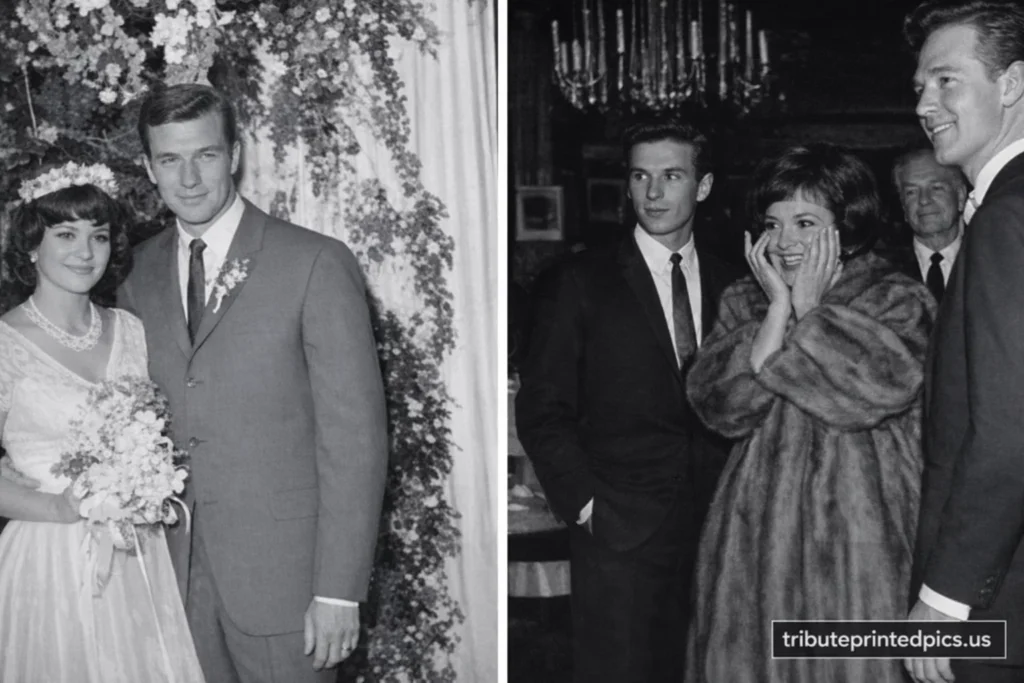
John William McDonald and Eartha Kitt were married in 1960 in a private ceremony attended by family and close friends. The couple welcomed their daughter, Kitt McDonald, later known as Kitt Shapiro, on November 26, 1961. Her birth symbolized both hope and continuity in the midst of a complex social environment. Kitt was baptized in the Catholic faith, reflecting the family’s commitment to spiritual tradition and moral guidance. The early years of their daughter’s life were shaped by a combination of parental dedication and the cultural significance of having two parents from different social worlds. McDonald’s involvement in his daughter’s upbringing emphasized support and stability, providing a counterbalance to Kitt’s demanding performance career. The family unit, while small, represented both the joys and challenges of raising a child amid external societal pressures.
Challenges and Personal Struggles
Despite initial affection and shared goals, McDonald and Kitt faced numerous challenges during their marriage. Balancing Kitt’s high-profile career with McDonald’s quieter professional pursuits created tension, particularly under the lens of public attention. His lingering injuries from military service added a layer of complexity, occasionally necessitating pain management and recovery periods. The marriage endured societal scrutiny, cultural expectations, and the inherent stresses of combining differing lifestyles. Personal struggles, including health concerns and relationship strain, contributed to the eventual breakdown of their union. These difficulties were compounded by the pressures of fame and the social climate of the era, which often left little space for privacy or personal reconciliation. The narrative of their relationship demonstrates how love and ambition can coexist with, and sometimes be challenged by, broader societal expectations.
Divorce and the End of an Era
The marriage ended in divorce in 1964, after several years of navigating personal and external pressures. The separation highlighted not only interpersonal challenges but also the broader cultural tensions surrounding interracial couples during the period. The divorce was finalized on March 26, 1964, and included considerations of child support, custody, and the logistical realities of maintaining a family amidst change. The legal and emotional process was complicated by lingering public interest, yet McDonald approached the situation with a sense of responsibility and measured engagement. The dissolution of the marriage did not diminish his commitment to his daughter or his professional pursuits but marked a turning point in his personal narrative, reinforcing lessons of resilience, adaptation, and the importance of private reflection.
Parenthood and Dedication to Family
Even after the divorce, McDonald remained deeply involved in his daughter’s life, emphasizing supportive fatherhood and moral guidance. He maintained communication, provided financial and emotional support, and nurtured her development through guidance and example. McDonald’s role as a father underscored his commitment to family values and personal responsibility, balancing the challenges of post-divorce life with the ongoing demands of a professional career. His relationship with his daughter became a cornerstone of his legacy, illustrating the enduring influence of parental engagement despite complex circumstances. This period also demonstrated his ability to reconcile personal challenges with societal expectations, ensuring stability and continuity for his family.
Later Years, Remarriage, and Private Pursuits
Following the divorce, McDonald remarried and added a son named Chad to his family. He continued his work in accounting and real estate, focusing on long-term growth and financial security. His later years were marked by a quieter lifestyle, removed from public scrutiny but rich in personal fulfillment. McDonald’s later life was characterized by reflection, continued learning, and engagement with family and friends, illustrating a balance between public achievement and private contentment. His enduring dedication to his children and close associates highlighted his values of loyalty, responsibility, and integrity. These years also allowed him to maintain his legacy in both professional and personal realms, leaving a record of stability and quiet accomplishment.
Death and Lasting Legacy
John William McDonald passed away on May 12, 2005, at the age of 82. His death marked the conclusion of a life defined by resilience, achievement, and dedication to family. Though often remembered as the ex-husband of Eartha Kitt, his life encompassed much more, including service as a Korean War veteran, a disciplined approach to business, and a steadfast commitment to personal relationships. McDonald’s legacy reflects a nuanced balance of public and private life, demonstrating that true accomplishment extends beyond fame and recognition. His contributions as a businessman, father, and community member endure, offering insight into the complexities of human ambition and the value of quiet perseverance. He remains an example of how personal integrity and dedication shape a life of meaning and influence.
Cultural Reflection and Broader Significance
The story of John William McDonald offers a lens into the social and cultural dynamics of mid-20th century America. His marriage to Eartha Kitt represented an interracial couple in 1960s America, navigating societal prejudice, public attention, and personal ambition. Their narrative reflects the intersection of personal desire, cultural expectations, and historical context. McDonald’s professional endeavors, military service, and commitment to family further underscore the broader significance of individuals who contributed to societal evolution through private resilience. His life demonstrates how personal decisions resonate within cultural frameworks, shaping legacies in both subtle and enduring ways. McDonald’s experiences invite reflection on themes of love, sacrifice, ambition, and social change.
Conclusion
John William McDonald’s life transcended his public association with Eartha Kitt. From his early years in Los Angeles, through service in the U.S. Army, to his academic and professional achievements, he exemplified resilience, dedication, and quiet influence. His journey through marriage, parenthood, and later life reflects the challenges of balancing personal ambition with family responsibility and societal expectations. McDonald’s story is a testament to the complexity of human experience, illustrating that legacy is built not only through public recognition but also through private integrity, family dedication, and professional excellence. His life offers lessons in perseverance, adaptability, and the enduring impact of thoughtful, principled action.
FAQs
1. Who was John William McDonald?
He was a Korean War veteran, American businessman, and real estate investor known for his marriage to Eartha Kitt.
2. When was he married to Eartha Kitt?
Their marriage lasted from 1960 to 1964, during a period of significant societal challenges.
3. Did John William McDonald have children?
Yes, he had a daughter, Kitt Shapiro, with Eartha Kitt, and later a son named Chad.
4. What was his career like after the divorce?
He continued his work in accounting and real estate, focusing on long-term financial growth and family support.
5. What is his lasting legacy?
McDonald’s legacy lies in his dedication as a father, businessman, veteran, and quietly influential figure in his community.