
Quick Profile Summary
Julie Farrait is best known as Frank Lucas’s wife and the woman who navigated life within one of the most notorious criminal empires in American history. Her story is intertwined with the rise and fall of the Harlem heroin empire during the 1960s and 1970s crime era. Born to a Puerto Rican American family, she grew up with strong cultural values and a sense of resilience. Farrait’s life took a dramatic turn when she became a close partner to Lucas, a man whose influence extended across the illegal drug trade and into the pages of history.
Julie Farrait’s biography highlights a complex journey from luxury and influence to legal troubles and eventual privacy. Despite public scrutiny and law enforcement surveillance, she maintained a private life and focused on her family, including her daughter, Francine Lucas Sinclair. Her story reflects survival, resilience, and the human cost of crime and fame.
Quick Bio
| Category | Details |
|---|---|
| Full Name | Julie Farrait |
| Known For | Wife of Frank Lucas, Harlem heroin empire connection |
| Birthplace | Puerto Rico |
| Cultural Identity | Puerto Rican American |
| Family | Daughter: Francine Lucas Sinclair |
| Marriage | Married to Frank Lucas |
| Legal Issues | 1975 arrest; 2010 drug arrest; prison sentence |
| Lifestyle | Lived luxury life: designer fashion, luxury cars, expensive homes |
| Public Presence | Low public profile, private life away from spotlight |
| Legacy | Survived high-risk life, focused on family, contemporary cultural impact |
Early Life and Background
Julie Farrait was born in Puerto Rico and grew up immersed in Puerto Rican culture. Her early life was shaped by a close-knit family environment, community values, and the challenges of life as a young Puerto Rican American navigating New York. These formative years influenced her identity, determination, and ability to withstand challenges later in life.
Her biography shows that Julie valued family and education. She developed an early sense of responsibility that would later play a critical role in her survival during the turbulent years with Frank Lucas. Her cultural identity also helped her maintain a sense of dignity and groundedness amidst the chaos of the Harlem underworld.
Meeting Frank Lucas
Julie met Frank Lucas in the late 1960s, during the height of his criminal operations. Their relationship was built on trust, loyalty, and mutual understanding. Farrait became more than a spouse; she was a partner navigating the intricacies of organized crime, drug smuggling operations, and the wealth that came with it.
The couple’s early interactions reflected a bond that combined love and strategic awareness. Julie Farrait understood the stakes of Lucas’s empire, including the Southeast Asia heroin supply and the risks associated with cutting out middlemen in the drug trade. Despite the danger, she adapted to a life of luxury, glamour, and fear.
Marriage and Family Life
Julie Farrait’s marriage to Frank Lucas was both a partnership and a challenge. They had to balance family life with the pressures of a criminal empire. Their daughter, Francine Lucas Sinclair, became a central part of Julie’s life and source of motivation. Farrait’s role as a mother meant protecting her child while navigating constant public scrutiny and legal risks.
- Julie’s family life included moments of normalcy despite the chaos around her.
- She ensured Francine had guidance, education, and emotional support.
- The couple’s marriage reflected both devotion and the strain of living in the Harlem underworld.
Julie Farrait’s commitment to family highlights the human story behind crime. She worked to shield her daughter from the societal impact of crime history, a challenge many children of incarcerated parents face.
Who Was Frank Lucas?
Frank Lucas was a key figure in the Harlem heroin scene. Known for introducing Blue Magic heroin and controlling the market by cutting out middlemen, Lucas created a multi-million-dollar empire. His operations extended internationally, with heroin supplied from Southeast Asia.
Julie Farrait’s life became intertwined with Lucas’s ambitions. She witnessed the rise and fall of a criminal empire, the glamour of wealth, and the dangers that came with notoriety. The couple’s luxurious lifestyle included designer fashion, expensive homes, and high-profile social events that contrasted sharply with the risks of illegal drug trade.
Life of Luxury and Influence
At the height of Frank Lucas’s power, Julie Farrait enjoyed a lifestyle marked by wealth and influence. Their social scene was high-profile, filled with celebrities and public attention. However, this came with risks. The couple’s public image was constantly under media scrutiny, and law enforcement kept a close watch.
Julie Farrait managed the duality of glamour and fear, navigating both luxury and danger. Her biography timeline shows that she embraced her role as the wife of a notorious drug lord, balancing public appearances with private resilience. She learned to adapt, survive, and maintain her dignity amidst threats and legal consequences.
Legal Troubles and Arrests
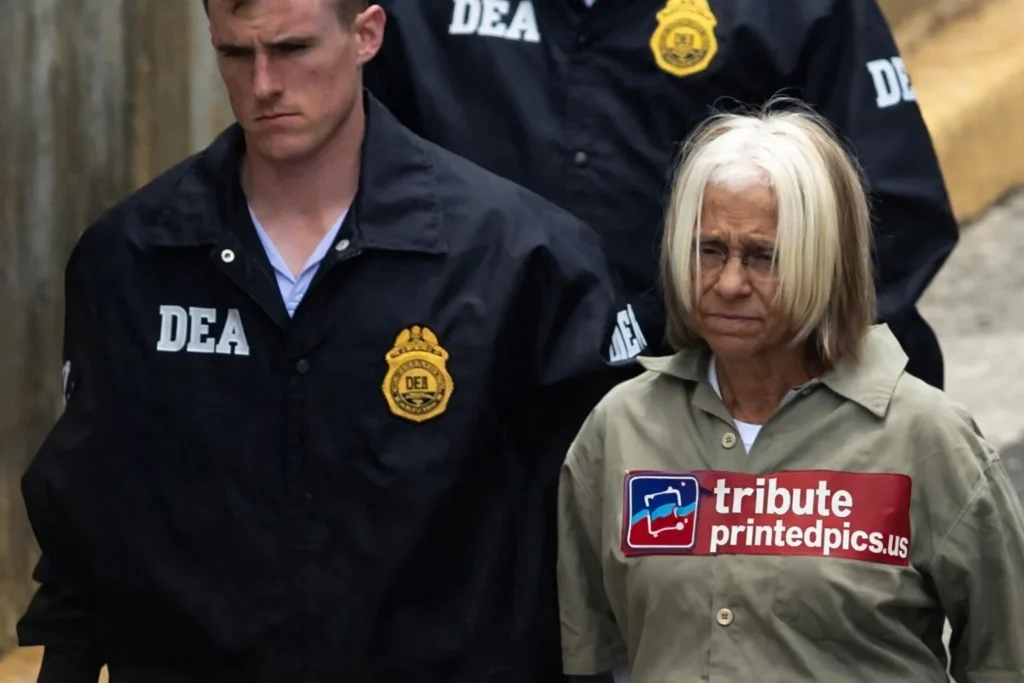
Julie Farrait faced multiple legal challenges over her lifetime. Her first major arrest came in 1975, associated with her husband’s operations. Legal issues persisted, with another notable 2010 drug arrest highlighting the ongoing impact of past associations.
Key Legal Timeline:
| Year | Incident | Outcome |
|---|---|---|
| 1975 | Arrest related to Harlem heroin empire | Conviction and legal scrutiny |
| 2010 | Cocaine-related arrest | Prison sentence and fines |
These arrests affected her public perception, her financial stability, and her ability to live a low-profile life. Farrait navigated these challenges with resilience, eventually focusing on redemption and rebuilding her personal life.
Julie Farrait and American Gangster
The 2007 film American Gangster brought Frank Lucas’s story to a global audience. Julie Farrait’s life was indirectly portrayed through Denzel Washington’s depiction of Lucas, shaping public understanding of her role. The film adaptation influence magnified media narratives, illustrating the human story behind crime and the personal sacrifices of those connected to criminal empires.
Julie Farrait herself maintained a low public presence, choosing privacy over fame. The portrayal emphasized her resilience, the pressures of marriage to a drug kingpin spouse, and the societal fascination with crime and punishment.
Life After Prison and Redemption
After facing legal consequences, Julie Farrait focused on rehabilitation and family. She turned attention to her daughter, Francine Lucas Sinclair, and engaged in community programs supporting children of prisoners. Her story reflects a second chance and redemption journey, showing that life after crime is possible with dedication and resilience.
Her private life away from the spotlight allowed her to maintain dignity and contribute to society in meaningful ways, balancing personal growth with her family impact.
Personality and Public Perception
Julie Farrait’s personality combined strength, loyalty, and pragmatism. Supporters admire her ability to navigate organized crime circumstances while remaining dedicated to family. Critics questioned her involvement in Lucas’s empire.
Her public image transformation shows the complexity of societal judgment. Julie Farrait embodies a survival narrative, reflecting both the glamour and the danger of a high-profile criminal marriage
Net Worth and Financial Status
Julie Farrait’s net worth remains unknown/modest due to legal seizures and the financial volatility of a criminal lifestyle. While she experienced periods of wealth and asset seizure, her focus later shifted from materialism to family and personal redemption.
Financial Snapshot:
- Early luxury: designer fashion, luxury cars, expensive homes
- Losses due to law enforcement actions
- Later focus on personal stability and family welfare
Legacy and Cultural Impact
Julie Farrait’s contemporary legacy highlights her role as a historical figure in 1960s/1970s crime history. Her story represents the human experience behind organized crime, illustrating resilience, family dedication, and personal growth amidst extreme circumstances.
She remains a symbol of:
- Cultural identity influence – Puerto Rican upbringing
- Breaking cycles of crime – raising children outside criminal life
- Societal impact – showing the challenges of crime families
Her life story continues to captivate historians, filmmakers, and the public interested in the Harlem underworld and its human stories.
Julie Farrait Timeline
- Early Life: Born in Puerto Rico, raised in a Puerto Rican American household.
- Meeting Frank Lucas: Late 1960s, began partnership.
- Marriage and Family: Birth of Francine Lucas Sinclair.
- Height of Criminal Empire: 1960s–1970s Harlem heroin trade.
- 1975 Arrest: First legal issues.
- Luxury Lifestyle: Designer fashion, high-profile social life.
- American Gangster: Film adaptation influence.
- 2010 Drug Arrest: Legal consequences continue.
- Private Life: Post-prison focus on family and redemption.
- Contemporary Legacy: Contributions to society and historical recognition.
Conclusion
Julie Farrait’s life reflects the complexity of being the spouse of a notorious drug lord. She experienced wealth, danger, legal struggles, and media scrutiny. Yet, through resilience and dedication to her daughter, she created a story of survival and redemption. Her biography provides a human story behind crime, illustrating the impact of the Harlem heroin empire on family, personal life, and cultural identity.
FAQs – Julie Farrait
- Who is Julie Farrait?
Julie Farrait is best known as the wife of Frank Lucas, a key figure in the Harlem heroin empire. - Where was Julie Farrait born?
She was born in Puerto Rico and grew up in a Puerto Rican American household. - Did Julie Farrait face legal issues?
Yes, including a 1975 arrest and a 2010 drug-related arrest, both impacting her public life. - Who is Julie Farrait’s daughter?
Her daughter is Francine Lucas Sinclair, whom she focused on raising despite criminal connections. - Was Julie Farrait portrayed in American Gangster?
While not directly shown, her life influenced the media portrayal of Lucas’s personal and family life.