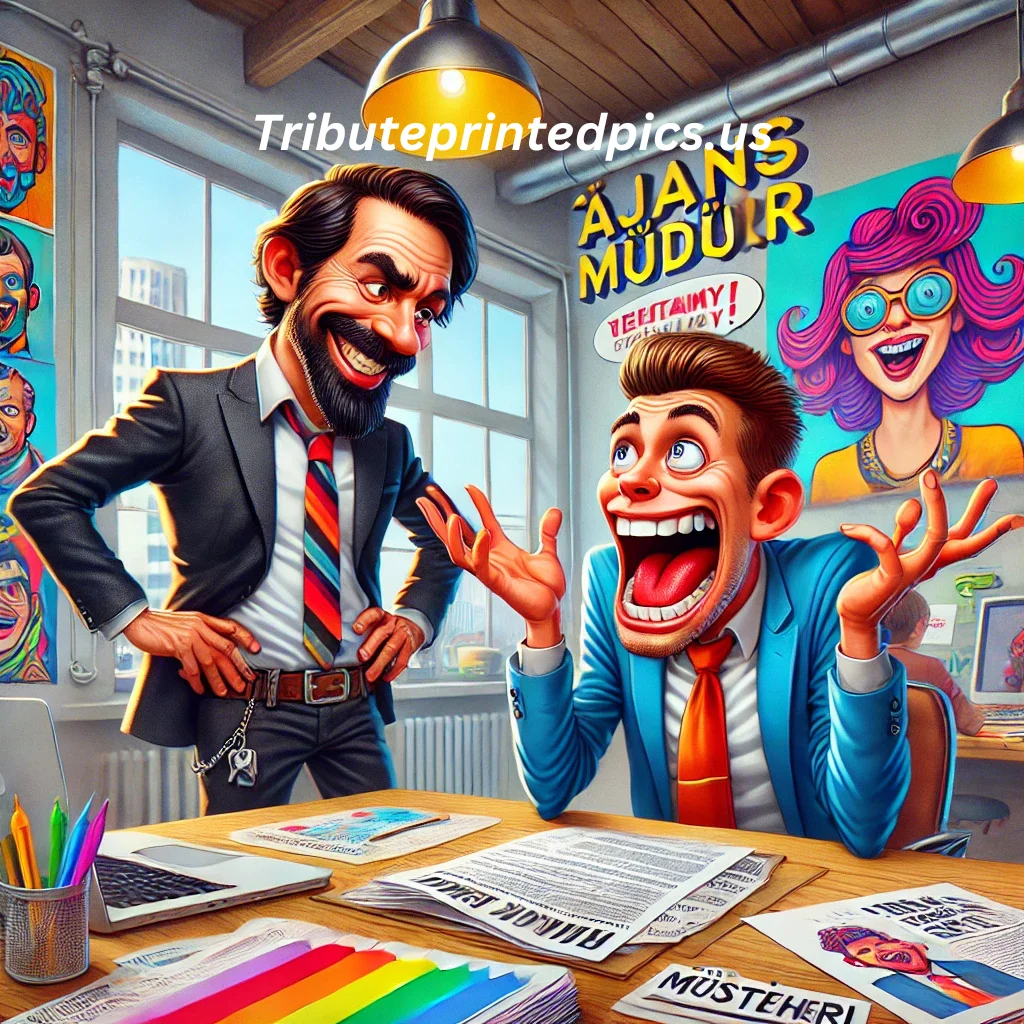

Introduction: The Intersection of Creativity and Communication
In today’s fast-paced world of news and digital media, the collaboration between an agency, its director, and the client has grown increasingly critical. The use of karikatur has emerged as one of the most powerful tools for conveying messages visually while blending creativity, humor, and social commentary. Karikatur is not just about entertainment; it has become a significant medium for reflecting society, cultural trends, political debates, and even economic developments. By using visual narratives, agencies are able to make their campaigns more engaging, accessible, and memorable for audiences, while simultaneously helping clients communicate complex ideas more effectively. The relationship between the agency, director, and client is built on trust, creativity, and a deep understanding of cultural and societal nuances, which karikatur embodies perfectly. Modern agencies no longer operate purely on traditional advertising; they have become strategic storytellers who use every tool available, including illustrations, digital media, and interactive platforms, to capture the attention of a society that consumes information rapidly. The growing reliance on technology, social media discussions, and digital forums has only enhanced the relevance of karikatur, making it a crucial part of creative communication strategies in multiple sectors including education, health, politics, and entertainment.
The Evolution of Agency Roles in Media
Over the years, agencies have transformed from simple marketing or public relations companies into multifaceted creative hubs capable of delivering innovative solutions. Traditionally, the role of an agency was limited to distributing press releases, managing advertising campaigns, and ensuring brand visibility in news outlets. Today, the role has expanded to encompass digital content creation, social media management, data analysis, and visual storytelling. Directors or managers within agencies play an essential role in this transformation by coordinating creative teams, reviewing performance reports, and ensuring the client’s objectives are met without compromising creative integrity. The integration of technology allows agencies to track audience behavior, measure engagement, and adapt their campaigns to meet current societal trends. Karikatur has become an indispensable part of this process, providing a visual tool that simplifies complex political analysis, economic developments, and cultural events into easily digestible content. The director ensures that the creative team produces materials that resonate with society, reflect cultural sensitivity, and remain relevant to ongoing discussions in forums, news platforms, and academic content. Agencies are also leveraging karikatur in education and health campaigns, ensuring that their impact is broad and meaningful while maintaining alignment with client expectations.
Understanding Karikatur in Modern Communication
Karikatur serves as a bridge between complex societal issues and the audience. By illustrating political debates, social dilemmas, or economic events, agencies provide clarity and insight that would be difficult to achieve through text alone. Karikatur simplifies complex ideas while maintaining a level of humor and relatability, allowing audiences to connect with the content on both an emotional and intellectual level. It reflects current trends, cultural events, and societal changes, offering insight into what matters most to people. In forums and social media discussions, karikatur sparks conversation and engagement, encouraging audiences to participate in broader societal dialogues. The use of visual content is particularly effective in education and student guidance, as it helps learners grasp difficult concepts through creative representation. Similarly, in health campaigns, karikatur helps explain important medical information, making it accessible to diverse audiences. Modern communication strategies increasingly rely on such creative visual tools to foster understanding, promote discussion, and drive engagement, bridging gaps between agencies, clients, and their target audiences.
The Client Perspective: What Musteri Seeks
Clients rely heavily on agencies to interpret societal trends, audience behavior, and cultural nuances to create content that resonates. In today’s competitive environment, clients expect agencies to provide more than just visual appeal. They seek data-driven insights, strategic storytelling, and creative outputs that align with current economic, political, and social developments. Clients want their campaigns to reflect contemporary societal issues, cultural events, and breaking news while remaining relevant to their brand and objectives. By collaborating closely with agencies, clients are able to influence creative direction while receiving guidance on how best to communicate their message. Agencies are responsible for transforming client expectations into tangible outcomes, using tools like karikatur to illustrate points, highlight debates, and visualize concepts in a way that engages both traditional media consumers and digital audiences. The balance between client input, creative autonomy, and audience relevance is critical, and karikatur provides an effective medium to harmonize these factors, ensuring that campaigns are impactful, culturally sensitive, and strategically aligned.
Role of Mudur in Managing Creativity
The director, or mudur, plays a pivotal role in the successful execution of agency projects. They oversee creative teams, monitor production timelines, ensure adherence to client requirements, and maintain a balance between artistic freedom and business objectives. Mudur also ensures that creative outputs, including karikatur, are culturally sensitive, socially relevant, and aligned with current political, economic, and societal trends. By analyzing reports, reviewing data, and coordinating with clients, the mudur guarantees that campaigns are not only visually engaging but also strategically effective. The leadership provided by a mudur ensures that team members are motivated, trained, and supported in developing innovative content that resonates with society. By leveraging karikatur and other creative media, the director enables agencies to translate complex political analysis, economic developments, and cultural phenomena into easily understandable visual narratives. This level of coordination is essential for agencies to maintain credibility, meet client expectations, and influence public perception positively.
Educational Applications of Karikatur
Karikatur has proven to be highly effective in educational settings. It simplifies abstract or complex concepts, making them more accessible to students while enhancing retention and understanding. Teachers and educational institutions incorporate karikatur into lesson material, academic content, and student guides to create engaging and interactive learning experiences. By visually representing ideas, agencies and educators can facilitate better comprehension, particularly in areas such as political debates, economic developments, and cultural studies. The use of karikatur in education also promotes creativity and critical thinking, encouraging students to analyze content and express their own perspectives. Digital platforms and educational forums provide additional avenues for students to interact with visual content, discuss ideas, and participate in collaborative learning. Karikatur is therefore not just an artistic tool but also a strategic educational resource that bridges gaps between traditional teaching methods and contemporary learning needs.
Karikatur and Society: Reflecting Culture
The societal impact of karikatur is significant. Through creative illustration, agencies are able to comment on political debates, economic developments, and social trends in ways that resonate with the public. Karikatur reflects cultural events, current trends, and societal concerns, providing insight into the priorities, values, and opinions of communities. It also functions as a tool for discussion, encouraging participation in forums and social media discussions. By engaging audiences in meaningful ways, karikatur promotes awareness, fosters dialogue, and contributes to the shaping of public opinion. Agencies leverage this potential to create campaigns that are culturally relevant, socially responsible, and strategically impactful. Whether illustrating political satire, highlighting economic developments, or depicting cultural events, karikatur remains a versatile medium that allows agencies to connect deeply with society while fulfilling client objectives.
Technology’s Role in Modern Karikatur
The rise of digital technology has transformed the production, distribution, and consumption of karikatur. Graphic software, digital tablets, and online platforms allow agencies to create high-quality illustrations efficiently and share them across multiple channels. Technology enables real-time engagement, tracking of audience responses, and analysis of the effectiveness of visual campaigns. Agencies use data analytics to refine content, tailor messaging to specific audiences, and align creative outputs with client objectives. Social media discussions and online forums provide additional insights into audience preferences and trends, allowing agencies to remain relevant and responsive. Technology also supports educational applications, providing interactive digital lesson material and enabling students to engage with visual content in innovative ways. The combination of technology and karikatur enhances communication, amplifies reach, and ensures that creative content is both impactful and measurable.
Economic and Political Insights Through Karikatur
Visual storytelling is highly effective in communicating economic and political concepts. Agencies use karikatur to simplify complex policy decisions, economic trends, and political debates for public understanding. By presenting information visually, agencies make data more accessible, encourage discussion, and foster critical analysis among audiences. Karikatur can illustrate the implications of economic developments, highlight societal responses, and provide insight into political strategies. Clients benefit from this approach by being able to convey their messages clearly while engaging audiences in meaningful ways. The use of karikatur in these contexts ensures that content is not only visually appealing but also educational, informative, and socially relevant. By leveraging both creative expression and data analysis, agencies enhance the impact of their campaigns while fulfilling the informational needs of society.
Karikatur in Sports and Entertainment
Sports and entertainment sectors have embraced karikatur as a means of engagement. Agencies use illustrations to capture the energy, drama, and emotion of sporting events, cultural performances, and entertainment activities. Karikatur enhances coverage by providing visual summaries, highlighting key moments, and depicting personalities in creative ways. Fans engage in discussions through forums and social media, sharing interpretations, reactions, and analyses. Agencies also use karikatur to communicate cultural nuances, represent local and international events, and connect audiences with broader societal themes. The inclusion of visual storytelling in sports and entertainment campaigns increases audience interaction, deepens engagement, and provides memorable content that complements traditional news coverage. Karikatur thereby functions as a versatile tool that bridges information and entertainment while reflecting contemporary trends.
Health Awareness and Karikatur
In the field of health, agencies increasingly incorporate karikatur to communicate vital information, raise awareness, and educate the public. Visual representation simplifies complex medical concepts, making them accessible to a broader audience. Health campaigns utilize illustrations in bulletins, online forums, and educational materials to explain preventive measures, wellness practices, and medical procedures. By using creative visuals, agencies ensure that critical health messages reach students, educators, and the general public in engaging ways. Karikatur also supports interactive learning, allowing audiences to retain information more effectively and participate in discussions about health and wellness. This approach enhances the impact of campaigns, promotes social responsibility, and aligns with contemporary expectations for accessible, visually-driven communication.
Integrating Social Media Discussions
Agencies monitor social media discussions to understand audience sentiment, track trends, and adapt content accordingly. Karikatur serves as a highly engaging medium for participating in these discussions, allowing agencies to respond creatively and maintain relevance. Online forums and social media platforms provide immediate feedback on visual content, enabling agencies to refine campaigns and maximize impact. By analyzing discussions, agencies gain insights into public opinion, cultural preferences, and emerging trends. Karikatur facilitates this process by providing shareable, visually engaging content that resonates with audiences, encourages interaction, and drives meaningful conversation. This integration ensures that campaigns remain contemporary, socially relevant, and aligned with the expectations of both clients and audiences.
Creating Effective Reports
Agencies compile reports to demonstrate the effectiveness of campaigns and creative outputs, including the use of karikatur. Reports typically include audience analytics, engagement metrics, and visual examples that illustrate the impact of campaigns. Data is analyzed to measure performance, inform strategic decisions, and guide future creative direction. By providing clear, detailed reports, agencies offer transparency and accountability to clients while showcasing the value of creative tools like karikatur. These insights also allow directors to optimize team performance, enhance the quality of content, and ensure that campaigns meet societal, cultural, and client-driven objectives. Effective reporting strengthens client trust, supports strategic planning, and reinforces the role of visual storytelling in modern media.
Karikatur in Academic Content
Educational institutions collaborate with agencies to incorporate karikatur into academic content, making lessons interactive and engaging. Visual storytelling simplifies complex subjects, supports lesson material, and encourages students to explore concepts creatively. Karikatur promotes critical thinking, enhances comprehension, and provides a fresh approach to student guides and educational resources. By integrating illustrations into teaching material, educators can bridge the gap between traditional learning methods and contemporary digital tools. Agencies play a key role in developing these resources, ensuring that visual content aligns with educational standards, cultural relevance, and student engagement. This partnership highlights the versatility of karikatur as both a creative and pedagogical tool.
Challenges and Solutions
Despite its effectiveness, karikatur faces challenges in production and deployment. Agencies must navigate cultural sensitivities, client expectations, and the need for originality while maintaining engagement. Misinterpretation, audience bias, and digital misinformation are additional concerns. Solutions involve thorough research, constant monitoring of social trends, and strategic planning. Directors ensure teams adhere to best practices, consult academic and cultural resources, and analyze forums and social media to remain relevant. Using evidence-based approaches, agencies create content that is culturally sensitive, informative, and impactful. Karikatur, when executed thoughtfully, continues to bridge communication gaps, influence public perception, and enhance engagement across multiple sectors.
Conclusion: The Power of Ajans-Mudur-Musteri-Karikatur
The collaboration between agency, director, and client through karikatur has redefined media communication. This visual tool seamlessly integrates creativity, strategy, and societal insight to convey complex ideas effectively. From education to politics, health to sports, karikatur enhances audience understanding, drives engagement, and reflects societal trends. Agencies that embrace this tool are able to connect with audiences meaningfully, create culturally relevant campaigns, and meet client objectives with creativity and precision. Karikatur’s relevance continues to grow as technology, social media, and cultural dynamics evolve, solidifying its position as an indispensable tool in modern media strategies.
FAQs
Q1: What is the main purpose of karikatur in agencies?
Karikatur simplifies complex ideas, conveys messages visually, and engages audiences creatively.
Q2: How does a mudur manage creative teams?
The mudur coordinates content production, reviews reports and data, and ensures alignment with client objectives.
Q3: Can karikatur be used in education?
Yes, it enhances lesson material, improves student engagement, and supports interactive learning.
Q4: How does technology help in karikatur production?
Digital tools allow efficient creation, distribution, and audience analysis of visual content.
Q5: Why is client involvement important?
Clients provide guidance, feedback, and ensure content aligns with brand and societal relevance.