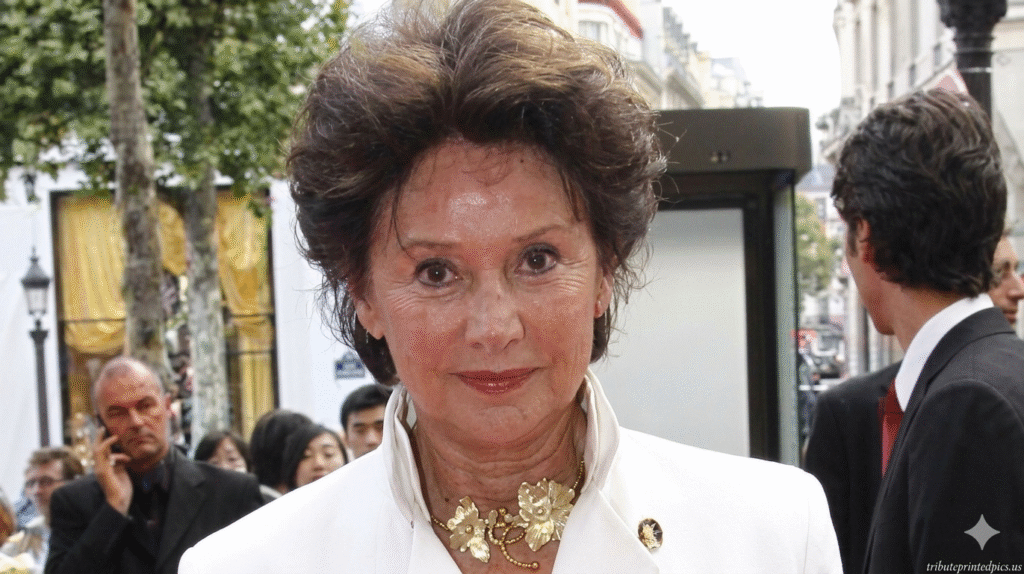

INTRODUCTION: A LIFE CONNECTED TO ROYAL HISTORY
Marie-Luce Jamagne is a name that appears in historical discussions linked with the British royal family through her marriage to Group Captain Peter Townsend. Her life is often mentioned in connection with Princess Margaret romance and the emotional and social restrictions that shaped royal relationships in the mid-20th century. Although she was not part of the royal institution directly, her personal life became tied to one of the most widely discussed royal romance scandal 1950s stories in modern European history.
She lived a quiet and private life compared to the public attention surrounding Townsend’s earlier relationship with Princess Margaret. That earlier relationship is still considered a significant royal marriage controversy because it reflected the strict expectations placed on royal family members by tradition, Church rules, and public image concerns. Marie-Luce Jamagne’s life represents the lesser-known side of this story, where personal identity and privacy became more important than public attention.
Her story also reflects how European aristocratic marriages often intersected with political and royal histories. Even though she was a Belgian heiress, her life became connected to the emotional consequences of royal duty vs love story narratives that shaped British monarchy discussions for decades.
QUICK BIO OF MARIE-LUCE JAMAGNE:
| Category | Information |
|---|---|
| Full Name | Marie-Luce Jamagne |
| Known For | Belgian heiress, wife of Peter Townsend |
| Nationality | Belgian |
| Birthplace | Belgium (Brasschaat region linked) |
| Family Background | Upper-class Belgian family, tobacco fortune heiress |
| Early Identity | Belgian social figure, sometimes referenced as Belgian actress |
| Spouse | Group Captain Peter Townsend |
| Marriage Connection | Second wife of Peter Townsend after his Princess Margaret relationship |
| Historical Link | Connected to British royal family through Townsend’s royal service |
| Notable Association | Princess Margaret romance history (indirect connection) |
| Children | Isabelle Townsend, Marie-France Townsend, Pierre Townsend |
| Residence | Belgium and Rambouillet, France |
| Lifestyle | Private, low public exposure, aristocratic European life |
| Historical Era | Mid to late 20th century |
| Key Historical Context | Royal romance scandal 1950s, British monarchy marriage restrictions |
| Peter Townsend Role | Royal Air Force officer, Royal equerry to King George VI |
| Royal Connection Sites | Buckingham Palace, Clarence House |
| Major Historical Link | Princess Margaret relationship controversy |
| Related Royal Figure | Princess Margaret, Queen Elizabeth II |
| Townsend Military Role | Royal Air Force (RAF), Battle of Britain veteran |
| Later Life | Lived quietly with family away from media attention |
| Peter Townsend Death | 1995 (stomach cancer) |
| Legacy | Private figure linked to major British royal history narrative |
EARLY LIFE IN BELGIUM AND FAMILY BACKGROUND
Marie-Luce Jamagne was born into a well-established Belgian family with strong social and financial standing. Her upbringing in Belgium reflected a stable environment where education, cultural awareness, and social responsibility were part of daily life. She was raised in a family associated with wealth derived from a tobacco fortune heiress background, which placed her within a respected upper-class European circle.
Her early years in Brasschaat were calm and structured, shaped by European traditions of discipline and etiquette. Families in such social positions often maintained connections with other aristocratic or influential households, which influenced her exposure to international society. She was also known in some social references as a Belgian actress, although this aspect of her life remained secondary to her identity as a private individual.
Her early environment helped shape her personality, which later reflected calmness and preference for privacy. Unlike public figures linked with royal institutions, she did not seek media attention or public recognition. Instead, her upbringing emphasized discretion and personal dignity, values that later defined her life after marriage.
PETER TOWNSEND AND HIS ROYAL MILITARY CAREER
Group Captain Peter Townsend was a decorated officer in the Royal Air Force RAF and one of the respected figures of his generation. His military service during the Battle of Britain made him a national hero in the United Kingdom. He was closely connected with King George VI and served as royal equerry within Buckingham Palace and Clarence House, which placed him inside the inner environment of the British royal family.
His role involved managing royal duties, travel arrangements, and supporting the king in official responsibilities. This position gave him visibility within royal circles and introduced him to Princess Margaret, which later became part of a widely discussed royal history romance.
Townsend’s career was marked by discipline, loyalty, and professionalism. He was admired for his service record and leadership. However, his personal life later became the focus of public attention due to his emotional relationship with Princess Margaret, which created one of the most controversial royal family personal life history discussions of the 20th century.
His biography continues to be studied as both a military figure and a central personality in royal emotional history.
PRINCESS MARGARET AND ROYAL ROMANCE BACKGROUND
Princess Margaret, the younger sister of Queen Elizabeth II, became one of the most discussed royal figures of her time due to her personal relationships. Her connection with Peter Townsend developed during her youth within the royal household environment. Their relationship is often described as a forbidden royal love story because it challenged strict rules imposed by royal protocol and the Church of England.
At the time, British society had strong restrictions on marriage involving divorced individuals, especially for members of the royal family. Townsend had been divorced, which created a major barrier in the relationship. This situation created a royal marriage stigma 1950s Britain discussion that influenced public opinion and royal decision-making.
The relationship attracted global media attention and became part of royal biography emotional relationships studies. The public followed their story closely, and it became symbolic of the conflict between personal happiness and royal duty.
The emotional connection between them is still analyzed in modern portrayals of royal history, including dramatized interpretations like Netflix The Crown, which highlights the pressure faced by both individuals during that period.
ROYAL ENGAGEMENT PRESSURE AND PUBLIC REACTION
During the late 1950s, discussions about a possible royal engagement involving Princess Margaret and Peter Townsend reached peak intensity. The idea of marriage faced opposition from royal advisors, government officials, and religious institutions.
The Church of England played a significant role in shaping expectations around marriage rules. Since Townsend was a divorced man, approval for marriage required complex political and religious considerations. This situation created tension within the British monarchy love controversy narrative.
Public reaction was divided. Some supported the idea of love over tradition, while others believed royal responsibility should come first. Newspapers across Europe followed every development closely, making it one of the most widely discussed historical royal love narratives of the time.
Eventually, the pressure surrounding the situation made marriage impossible, and the relationship ended without official engagement.
MARIE-LUCE JAMAGNE AND PETER TOWNSEND MARRIAGE
After the end of his relationship with Princess Margaret, Peter Townsend eventually met Marie-Luce Jamagne. Their relationship developed away from royal attention and media pressure. They married and began a new life focused on privacy and family stability.
Marie-Luce Jamagne became known in historical records as the woman who married Princess Margaret’s ex. However, her identity extended far beyond this association. She built a life centered on family and personal peace, avoiding public exposure.
Their marriage reflected a shift from royal-linked emotional conflict to a more stable European aristocratic marriage lifestyle. They lived outside royal institutions and focused on a quieter existence.
FAMILY LIFE AND CHILDREN
Marie-Luce Jamagne and Peter Townsend built a family together that remained largely private. Their children included Isabelle Townsend, Marie-France Townsend, and Pierre Townsend. Each child grew up in a mixed cultural environment influenced by Belgian and French lifestyles.
Their upbringing took place away from royal pressure and media attention. The family prioritized normal living conditions despite their historical connections. This created a balanced environment where identity was shaped by personal values rather than public expectations.
| Family Member | Role |
|---|---|
| Isabelle Townsend | Daughter |
| Marie-France Townsend | Daughter |
| Pierre Townsend | Son |
The children later maintained their own independent identities, continuing the family legacy in private ways rather than public roles.
LIFE BETWEEN BELGIUM AND FRANCE
After marriage, Marie-Luce Jamagne and Peter Townsend divided their life between Belgium and Rambouillet France. These locations offered privacy and distance from public attention. Their lifestyle was calm and structured, reflecting a preference for peace after years of emotional public history.
Marie-Luce continued to live as a Belgian heiress married to royal pilot, although this identity remained secondary to her private family life. She did not participate in public royal discussions or media interviews.
Their residence choices reflected a desire to avoid attention connected to royal history. Instead, they focused on everyday living, family relationships, and personal stability.
PETER TOWNSEND SECOND MARRIAGE LIFE
Peter Townsend’s life after marrying Marie-Luce Jamagne represented a new chapter away from royal attention. His earlier emotional connection with Princess Margaret remained part of historical discussion, but his later years were focused on writing and reflection.
He became a subject of royal biography studies, where his experiences were analyzed in relation to royal romance true events. His personal writings provided insight into emotional challenges faced during his earlier royal relationship.
Despite public curiosity, he maintained a private lifestyle with his family. His second marriage gave him stability after years of public attention.
PRINCESS MARGARET AFTER THE SEPARATION
After her relationship with Townsend ended, Princess Margaret later married Antony Armstrong-Jones, who became Earl of Snowdon. This marriage was also widely covered in media and royal discussions.
Her life continued within the British royal family, where public attention remained constant. Her earlier emotional connection with Townsend remained part of her biography and royal history discussions.
Her experiences highlight the challenges of royal family romantic restrictions and how personal choices were influenced by institutional expectations.
ROYAL FAMILY RULES AND SOCIAL IMPACT
The relationship between Townsend and Princess Margaret revealed strict royal traditions that shaped personal decisions. Divorce restrictions, Church of England approval processes, and royal protocol created barriers for relationships involving royal family members.
These rules were designed to protect monarchy stability and public image. However, they often created emotional conflict for individuals involved. The situation became a major example of post-war British royal family scandal discussions.
It also influenced later changes in public attitudes toward marriage and divorce within aristocratic circles.
MEDIA INFLUENCE AND PUBLIC PERCEPTION
Media coverage played a major role in shaping public understanding of the relationship. Newspapers, magazines, and international outlets followed the story closely, turning it into a global discussion.
The narrative became part of monarchy public image controversy studies. It influenced how royal relationships were portrayed in media and entertainment for decades.
Modern interpretations continue to explore the emotional and social impact of the story, keeping it relevant in historical discussions.
LATER YEARS AND DEATH OF PETER TOWNSEND
Peter Townsend spent his later years with Marie-Luce Jamagne in a quiet environment. He continued writing and reflecting on his life experiences, including his time in the Royal Air Force RAF and his royal service under King George VI.
He passed away in 1995 due to stomach cancer. His death marked the end of a life closely linked with both military service and royal emotional history.
His legacy remains part of discussions about royal biography emotional relationships and historical royal love narratives.
MARIE-LUCE JAMAGNE LEGACY
Marie-Luce Jamagne’s legacy is defined by privacy, dignity, and her connection to a historical royal narrative. She did not seek public attention but became part of royal history due to her marriage to Peter Townsend.
Her life represents the quiet side of European aristocratic marriages where personal identity exists beyond public narratives. She maintained a stable family life and avoided media involvement.
Her story continues to appear in discussions about royal romance true events and historical interpretations of royal relationships.
CONCLUSION: A QUIET LIFE BEHIND ROYAL HISTORY
Marie-Luce Jamagne’s life is connected to one of the most emotionally discussed chapters in British royal history through her marriage to Peter Townsend. While the world focused on Princess Margaret romance and royal restrictions, her own life remained private and grounded.
She represents the human side of historical events where personal choices, relationships, and privacy exist beyond public attention. Her story shows how royal history often includes many unseen lives shaped by the same events.
FAQs
1. Who was Marie-Luce Jamagne?
She was a Belgian heiress known for marrying Group Captain Peter Townsend, connected to British royal history.
2. How is she connected to Princess Margaret?
She was the second wife of Peter Townsend, who previously had a relationship with Princess Margaret.
3. Where did Marie-Luce Jamagne live?
She lived mainly in Belgium and France, including Rambouillet.
4. Did Princess Margaret marry Peter Townsend?
No, their relationship ended due to royal restrictions and marriage rules of that time.
5. When did Peter Townsend die?
He died in 1995 from stomach cancer.